How I Crack the True Cost of Luxury Purchases—And Still Win
You love luxury items, but the price tag isn’t the whole story. I learned this the hard way—what looked like a smart splurge turned into a hidden cost nightmare. After diving deep into real spending patterns, financing traps, and resale realities, I built a method to see beyond the surface. It’s not about skipping luxuries; it’s about knowing exactly what you’re paying for. Here’s how I now analyze every high-end buy—so you don’t have to learn the expensive way.
The Moment I Realized Price Was a Lie
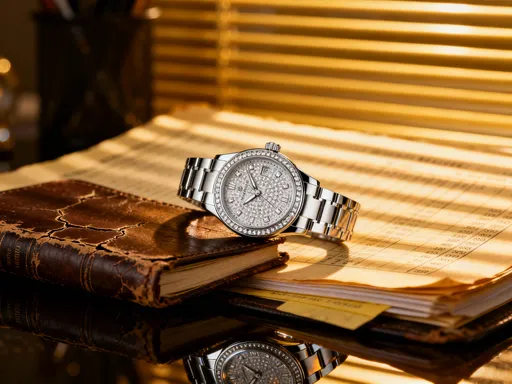
It started with a watch—a sleek, limited-edition timepiece that promised elegance, precision, and a touch of legacy. At checkout, the number on the screen felt manageable, even justified. After all, I told myself, this wasn’t just an accessory. It was a statement. A reward. A long-term investment in quality. But within a year, the story had changed. The initial thrill faded, replaced by a quiet sense of unease. The watch required annual servicing at a cost that rivaled a weekend getaway. Insurance premiums crept up. And when I casually mentioned selling it, the resale estimate was less than half the original price. That moment was a wake-up call: the sticker price was only the beginning.
What I had mistaken for financial confidence was actually emotional decision-making masked as logic. The marketing, the craftsmanship, the brand prestige—all of it had clouded my ability to assess true value. I wasn’t alone. Studies show that consumers often overestimate the longevity and resale potential of luxury goods, especially in categories like fashion, watches, and high-end accessories. The emotional payoff of ownership can be powerful, but it doesn’t protect against depreciation or hidden expenses. This realization marked the start of a deeper financial inquiry. I began tracking not just what I spent, but how each purchase affected my budget, my savings goals, and my long-term financial flexibility.
More than money was at stake—it was about control. I wanted to enjoy beautiful things without feeling trapped by them. I wanted to make choices that aligned with both my desires and my responsibilities. This shift didn’t mean giving up luxury. It meant redefining it. Instead of chasing status or instant gratification, I started asking different questions: How often will I use this? What are the ongoing costs? Could this money serve a larger purpose? These weren’t restrictions—they were tools for clarity. The turning point wasn’t regret. It was awareness. And from that awareness, a new approach was born: one that honors both enjoyment and financial wisdom.
Breaking Down the Full Cost: Beyond the Sticker Price
When most people evaluate a luxury purchase, they focus on the upfront cost. But the real financial impact unfolds over time, shaped by a series of often-overlooked factors. The full cost of ownership includes not just the purchase price, but also maintenance, insurance, storage, opportunity cost, and the psychological toll of carrying debt or unused items. For example, a designer handbag may cost $3,000 at retail, but if it requires special cleaning, climate-controlled storage, and insurance to protect against loss or damage, the total expense over five years can easily exceed $4,500. That’s a 50% increase in cost—without even considering whether the item will retain value.
Depreciation is one of the most significant yet misunderstood aspects of luxury spending. Unlike real estate or certain collectibles, most high-end goods lose value the moment they leave the store. A study by the resale platform Vestiaire Collective found that the average handbag loses between 40% and 60% of its value within the first three years of ownership. The same principle applies to luxury watches, premium electronics, and high-fashion apparel. Even items marketed as “timeless” or “investment pieces” are subject to shifting trends and market demand. Recognizing this reality is the first step toward making informed decisions.
Equally important is the concept of opportunity cost—the value of what you give up by choosing one expense over another. That $5,000 spent on a high-end camera system could have been invested in a diversified portfolio. Historically, the S&P 500 has delivered average annual returns of about 7% to 10% over the long term. If that same $5,000 had been invested and earned a conservative 7% return annually, it would grow to nearly $7,000 in five years. By choosing immediate consumption over investment, you’re not just spending money—you’re forgoing future growth. This doesn’t mean luxury is inherently wasteful, but it does mean that every purchase should be weighed against its potential alternatives.
Emotional spending cycles also play a role. Many people buy luxury items during periods of stress, celebration, or transition—times when emotions run high and judgment can be clouded. These purchases may provide short-term satisfaction, but they often lead to long-term regret. The key is to separate desire from decision-making. By introducing a delay between the urge to buy and the actual purchase, you create space to evaluate whether the item truly aligns with your values and financial goals. This kind of discipline doesn’t diminish joy—it enhances it by ensuring that what you own was chosen with intention, not impulse.
The Ownership Equation: When Luxury Pays You Back (Or Doesn’t)
Not all luxury purchases are created equal. While most high-end goods depreciate, a small subset has the potential to hold or even increase in value over time. These items—often referred to as “collector’s pieces”—behave more like semi-assets than pure consumption. Understanding the difference is crucial for anyone who wants to enjoy luxury without undermining their financial health. The key lies in evaluating three factors: scarcity, condition, and market demand.
Scarcity drives value. Limited-edition watches from brands like Rolex or Patek Philippe, for example, often appreciate because of their restricted availability and enduring craftsmanship. Similarly, vintage handbags from Chanel or Hermès, particularly those with authentication papers and original packaging, can command premium prices on the secondary market. But scarcity alone isn’t enough. The item must also be in excellent condition. A scratched watch face, a stained lining, or missing accessories can drastically reduce resale value. This means that owning a potential appreciating asset comes with responsibilities—careful handling, regular maintenance, and proper storage are non-negotiable.
Market demand is the third pillar. Even a rare, pristine item won’t gain value if there’s no interest from buyers. Trends shift, and what’s coveted today may be overlooked tomorrow. For instance, certain watch models that were highly sought after in the early 2010s have seen declining demand due to changes in consumer preferences and the rise of smartwatches. This underscores the importance of research. Before treating a luxury purchase as a potential investment, it’s wise to examine historical resale data, consult expert reviews, and understand the broader market landscape.
For most people, the majority of luxury spending falls into the consumption category. A designer coat, a high-end blender, or a luxury vacation provides enjoyment in the moment but doesn’t generate financial returns. And that’s perfectly okay—as long as it’s intentional. The goal isn’t to turn every purchase into an investment, but to know which ones are and which aren’t. This clarity allows you to budget appropriately, avoid false expectations, and take pride in your choices. Whether you’re buying for pleasure or potential gain, the ownership equation remains the same: value is not just what you pay, but what you keep.
My 3-Part Method for Smarter Splurges
After years of trial, error, and financial reflection, I developed a practical framework for evaluating luxury purchases. It’s not about deprivation—it’s about empowerment. By following three structured steps, I’ve been able to enjoy high-end items without the weight of regret or financial strain. The method works because it slows down the decision-making process, introduces objectivity, and aligns spending with long-term goals.
The first step is to delay and document desire. When I feel drawn to a luxury item, I don’t buy it immediately. Instead, I wait at least 30 days and track my feelings during that time. I ask myself: Am I still thinking about this item after a week? Does the desire feel urgent, or is it fading? I keep a simple journal entry or note in my phone, recording the reasons I want it, how often I think about it, and whether my excitement is tied to a specific event or emotion. This practice reveals patterns. I’ve discovered that many of my strongest urges were linked to temporary moods—stress, boredom, or social comparison—rather than genuine, lasting interest.
The second step is cost mapping. I create a five-year projection of total ownership expenses. This includes the purchase price, estimated maintenance, insurance, storage, and any accessories or upgrades. For example, if I’m considering a high-end leather sofa, I factor in professional cleaning every six months, protective treatments, and the cost of a dehumidifier if it’s going in a basement space. I also research typical depreciation rates for similar items. This exercise transforms an abstract desire into a concrete financial commitment. It’s one thing to admire a $4,000 coat in a store window. It’s another to see that, over five years, it could cost $6,000 when all factors are included.
The third step is trade-off analysis. I compare the total cost of the luxury item against alternative uses of the same capital. Could this money be better spent on a home improvement project that increases property value? Could it fund a portion of my child’s education savings? Could it be invested to generate passive income? This isn’t about saying no—it’s about saying yes to something more meaningful. By visualizing the opportunity cost, I gain perspective. Sometimes, the luxury item still wins. Other times, I realize that another goal deserves priority. Either way, the decision is informed, not impulsive.
This method has transformed my relationship with spending. I now buy less, but I enjoy more. Each purchase feels intentional, well-researched, and aligned with my values. The result isn’t just financial peace—it’s deeper satisfaction. When I own something, I know why I bought it, and that makes the experience richer.
Financing Traps: Why “Easy Payments” Cost You More
Luxury brands and retailers have mastered the art of making high-cost items feel affordable. “Pay in 12 interest-free installments” or “0% APR for 18 months” are common offers that lower the psychological barrier to purchase. On the surface, these deals seem like a win. You get the item now and pay later, without extra cost. But the reality is more complicated. Deferred payment plans come with hidden risks that can undermine your financial stability if not managed carefully.
The first risk is the illusion of affordability. When a $3,600 handbag is broken into 12 monthly payments of $300, it feels manageable. But that doesn’t change the fact that you’ve taken on a significant financial obligation. If your income fluctuates or an emergency arises, those payments can become a burden. What’s more, many “interest-free” offers come with strict conditions. If you don’t pay the full balance by the end of the promotional period, retroactive interest is applied—sometimes at rates as high as 25% or more. This can turn a seemingly smart purchase into an expensive mistake.
The second risk is psychological. Spreading payments over time weakens the emotional connection between spending and consequence. When you pay upfront, the pain of parting with money is immediate and real. Installment plans dull that sensation, making it easier to justify purchases you might otherwise reconsider. Behavioral economists call this “payment decoupling,” and it’s a major driver of overspending. Studies have shown that consumers are more likely to buy luxury items on credit and less likely to accurately estimate their total debt when using installment plans.
The third risk is opportunity cost. Money tied up in monthly payments is money that can’t be used elsewhere. Those $300 payments over a year could have been directed toward building an emergency fund, paying down high-interest debt, or investing in a retirement account. Even if the financing is truly interest-free, the capital is still locked in a depreciating asset. Over time, this can slow your progress toward larger financial goals.
This isn’t to say that financing is always bad. Used wisely, it can help you manage cash flow and make meaningful purchases without draining savings. But it requires discipline. Before agreeing to any payment plan, read the terms carefully. Know the end date of the promotional period, understand the penalties for late or incomplete payments, and have a clear plan to pay off the balance in full. Treat financing not as a loophole, but as a temporary tool—one that should never compromise your long-term financial health.
The Hidden ROI of Patience and Planning
One of the most powerful financial tools isn’t taught in schools or advertised by banks. It’s patience. The act of waiting—of pausing between desire and action—can yield remarkable returns, both financially and emotionally. When I began applying deliberate delay to my luxury purchases, I noticed a shift. The items I eventually bought brought greater joy because they were chosen with care, not impulse. The ones I decided against freed up resources for more meaningful goals. Over time, this practice didn’t just save me money—it enriched my life.
Take the case of a high-end kitchen renovation I once considered. I was captivated by a premium appliance package that included a smart oven, built-in coffee system, and custom cabinetry. The total cost was over $15,000. Instead of rushing in, I waited six months. During that time, I researched alternatives, consulted contractors, and evaluated my budget. I discovered that a mid-range option could deliver 90% of the functionality at half the price. I also realized that the money could be better used to pay off a portion of my mortgage, saving me thousands in interest over time. By waiting, I avoided a costly overreach and made a decision that aligned with my long-term priorities.
Patience also enhances enjoyment. When you’ve spent time researching, comparing, and saving for a purchase, the moment of ownership feels earned. There’s no guilt, no second-guessing—just pure satisfaction. This emotional return is difficult to quantify, but it’s real. Studies in behavioral finance have shown that people derive more lasting happiness from anticipated and planned purchases than from spontaneous ones. The act of planning itself becomes part of the reward.
Financially, the benefits are equally clear. Delayed gratification allows you to save in advance, reducing or eliminating the need for financing. It gives you time to spot deals, wait for sales, or accumulate loyalty rewards. It also protects you from buyer’s remorse, which can lead to returns, resales at a loss, or unused items gathering dust. Each avoided regret is a small financial win—one that compounds over time. The hidden ROI of patience isn’t just in dollars saved, but in confidence gained. You begin to trust your judgment, knowing that you have a process that works.
Building a Sustainable Luxury Mindset
Luxury doesn’t have to be a financial liability. When approached with awareness, discipline, and intention, it can coexist with financial health. The shift begins with mindset. Instead of viewing luxury as indulgence, I now see it as a form of value—one that should deliver lasting joy, not temporary status. This doesn’t mean buying more. It means buying better. It means choosing items that align with your lifestyle, values, and long-term goals.
A sustainable luxury mindset balances enjoyment with responsibility. It recognizes that true wealth isn’t just about accumulation, but about wise allocation. You can own beautiful things without compromising your future. The key is to make decisions that are informed, not impulsive; intentional, not reactive. This approach fosters a deeper relationship with money—one rooted in clarity, confidence, and control.
Over time, this mindset extends beyond purchases. It influences how you save, invest, and plan. You begin to see every financial decision as part of a larger ecosystem. A luxury watch isn’t just a timepiece—it’s a choice that affects your budget, your goals, and your sense of self. When you understand that, you’re no longer just a consumer. You’re a steward of your financial life.
The journey isn’t about perfection. There will still be moments of temptation, missteps, and emotional spending. But with the right tools and perspective, those moments become lessons, not setbacks. Each decision—whether to buy, wait, or walk away—adds to your financial wisdom. And that wisdom, more than any material possession, is the truest form of luxury.