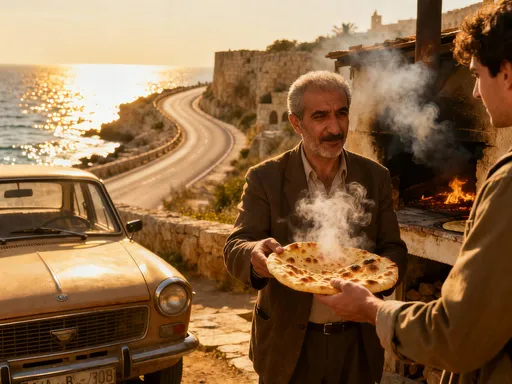
Havana’s Hidden Hustle: Where Culture Meets Commerce on Every Corner
You know that feeling when a city surprises you not just with its beauty, but with its rhythm? Havana isn’t just vintage cars and colorful buildings — it’s a living marketplace of soul, style, and street-smart commerce. I walked its neighborhoods expecting art and history, but what I found was something deeper: everyday Cubans turning plazas, doorways, and alleyways into vibrant commercial hubs. This is commerce with character — and you gotta experience it to believe it.
The Pulse of Commerce in Old Havana
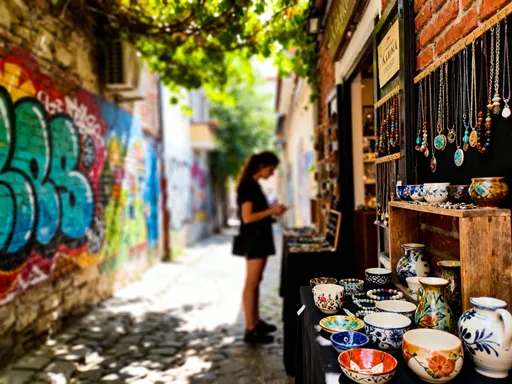
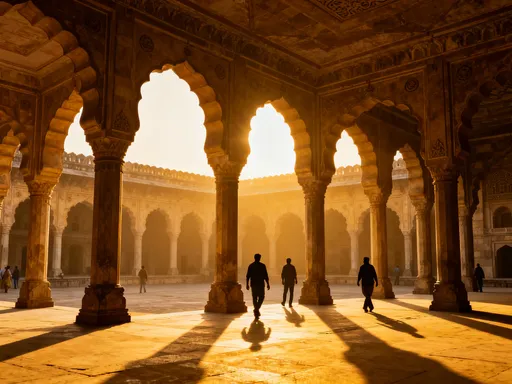
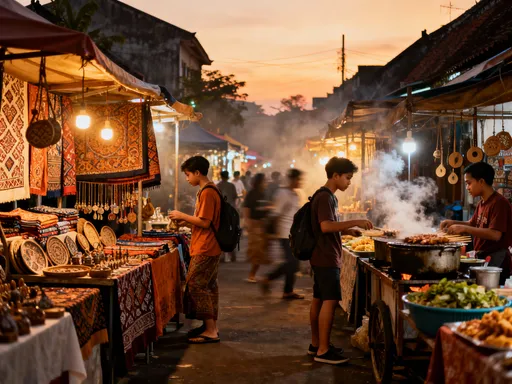
Old Havana, a UNESCO World Heritage site, is more than a beautifully preserved colonial district — it’s the beating heart of Cuba’s informal economy. Cobblestone streets echo with the chatter of vendors, the clink of change, and the soft hum of bargaining. Here, commerce flows through open-air markets, tucked-away courtyards, and even the shade of centuries-old archways. Walking through Plaza Vieja, one doesn’t just see history — one witnesses a dynamic exchange of goods, culture, and survival. Artisans display hand-carved wooden boxes, painted fans, and delicate cigar labels. Nearby, a woman sells coffee from a thermos to passersby, while a retired schoolteacher offers hand-embroidered napkins from a folding table. These are not tourist traps but lifelines — small-scale enterprises born from necessity and sustained by ingenuity.
What makes Old Havana unique is the seamless blend of state-run stores and private initiative. While official shops sell goods in Cuban pesos (CUP) at subsidized prices, the informal sector operates largely in foreign currency, particularly USD or its digital equivalent. This dual economy shapes what is available and how it’s sold. A hand-rolled cigar, for instance, might cost a fraction in a government outlet, but the vendor on the corner offers a more personalized experience — selecting the tobacco, explaining its origin, even sharing a story. Tourists often pay more, but they gain connection, and locals gain income. The result is a marketplace that feels authentic, not manufactured.
Plaza Vieja, once a center of colonial trade, has reclaimed its role as an economic crossroads. Local cooperatives run small galleries where painters sell original works. Nearby, music spills from a basement bar where a saxophonist sells CDs after his set. The city’s architectural grandeur frames a grassroots economy where every corner holds potential. This is not commerce as transaction alone, but as performance, storytelling, and cultural preservation. The resilience of these vendors reflects a deeper truth: in a country with limited formal employment, entrepreneurship isn’t a choice — it’s survival.
Centro Habana: Urban Grit and Grassroots Markets
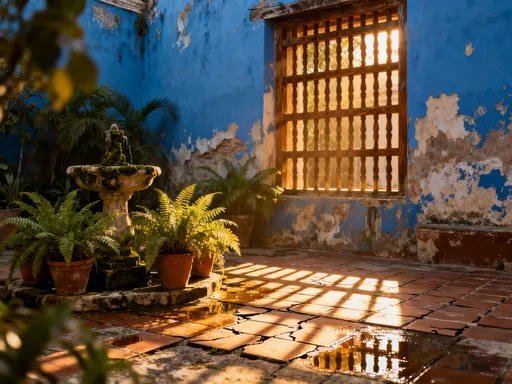
If Old Havana is the postcard, Centro Habana is the pulse — raw, unfiltered, and relentlessly alive. This densely populated district, wedged between the historic center and the more modern Vedado, operates on a different rhythm. Here, commerce isn’t confined to markets or storefronts; it spills out of apartment windows, unfolds on sidewalks, and hums from repurposed doorframes. A balcony becomes a hat shop. A parked bicycle transforms into a fruit stand. A folding chair in the shade turns into a mobile phone charging station, where locals pay a small fee to power their devices. These micro-enterprises are not glamorous, but they are essential.
The ingenuity on display is born of scarcity. With limited access to imported goods and inconsistent supply chains, residents have learned to adapt. Clothing swaps are common — neighbors trade garments based on size and season, creating a rotating wardrobe without spending a peso. Some women run small laundries from their homes, using hand-washing techniques and solar drying on rooftops. Others sell homemade snacks — fried plantains, coconut candies, or sweetened black beans — from repurposed crates. These are not businesses in the traditional sense, but daily acts of resilience.
What stands out in Centro Habana is the sense of community embedded in every transaction. A vendor doesn’t just sell; they remember your name, ask about your family, offer a sample. Commerce here is relational, not just economic. Children run errands for older sellers, earning a few coins and learning the rhythm of trade. Teenagers use social media to advertise handmade jewelry or vintage sunglasses, bridging analog hustle with digital outreach. Despite the challenges — crumbling infrastructure, frequent power outages, and limited access to clean water — the spirit of enterprise thrives. It’s a reminder that innovation doesn’t require high-tech tools, only determination and resourcefulness.
Miramar’s Upscale Exchange: Trade and Transition
Miramar offers a different face of Havana’s economy — one of transition, aspiration, and cautious optimism. Once an exclusive enclave for diplomats and elites, this leafy suburb now hosts some of the city’s most dynamic commercial spaces. Unlike the improvisational markets of Centro Habana, Miramar’s economy is more structured, blending state oversight with private initiative. The Mercado Agropecuario, or agricultural market, is a prime example. Here, farmers from surrounding provinces bring fresh produce — yuca, malanga, plantains, tomatoes — directly to consumers, cutting out middlemen and offering better prices.
These markets are not just about food; they represent a shift in Cuba’s economic model. For decades, agriculture was centralized, with distribution controlled by the state. Today, more farmers are allowed to sell independently, fostering a nascent private sector. The impact is visible: fresher produce, greater variety, and more reliable supply. Shoppers carry reusable bags, haggle gently, and inspect goods with care. Vendors, often in simple aprons, display their harvest with pride. This direct farmer-to-consumer model reduces waste and strengthens local food systems — a quiet revolution in sustainability.
Alongside these markets, Miramar has seen the rise of small private boutiques. These are not luxury stores, but modest shops offering imported goods — shampoo, detergent, canned fish — often brought in by relatives abroad or purchased through official import channels. Some entrepreneurs run small restaurants, or paladares, from their homes, serving dishes like ropa vieja and fried yuca to locals and visitors alike. These businesses operate under strict regulations, requiring licenses and reporting income, but they represent a growing space for legal private enterprise. In Miramar, one sees the early signs of a more diversified economy — one where tradition and modernity coexist.
The Role of Tourism in Shaping Local Markets
Tourism is both a catalyst and a complicating force in Havana’s commercial landscape. International visitors bring not just curiosity but currency — often in USD, euros, or digital payments — which holds far more value than the Cuban peso. This currency divide creates a dual market: one for locals, operating in CUP with limited purchasing power, and another for tourists, where goods are priced in hard currency and often out of reach for residents. A T-shirt sold for five dollars in a tourist zone might cost the equivalent of a week’s salary for a Cuban nurse.
Yet tourism also creates opportunity. Many vendors tailor their offerings to foreign tastes — selling vintage-style posters, handmade mojito shakers, or miniature model cars. Artists adjust their themes, painting more colonial architecture and less political imagery. Some entrepreneurs run small shops out of their homes, known as casa particular stores, where they sell souvenirs, snacks, or crafts. These micro-businesses allow families to supplement their income, pay for repairs, or afford medicine. For many, tourism isn’t just an industry — it’s a lifeline.
Still, the imbalance raises ethical questions. Should locals be priced out of their own markets? Can authenticity survive when goods are designed for foreign eyes? Some vendors resist commodification, insisting on selling only what they truly value — a hand-carved bird, a family recipe for guava paste. Others navigate the tension carefully, offering two versions: one for tourists, one for neighbors. The challenge is to preserve cultural integrity while embracing economic opportunity. The answer may lie in inclusive models — cooperatives, community markets, or fair-trade initiatives — that ensure tourism benefits everyone, not just a few.
Street Vendors, Artists, and the Informal Economy
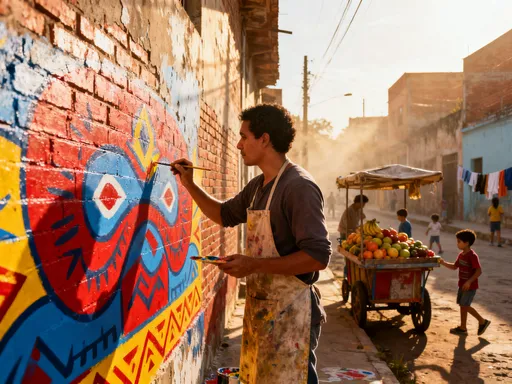
Behind every stall in Havana is a story — of retirement, reinvention, or resilience. Meet Elena, a retired librarian in Vedado who sells handmade bookmarks adorned with pressed flowers. She started during the pandemic, when her pension no longer covered groceries. Now, her bookmarks are popular with tourists, but she gives them freely to students. Or José, a muralist who paints vibrant scenes of Cuban life on building walls by day and sells small prints on the sidewalk by evening. His art captures history, music, and daily struggle — and each sale keeps his dream alive.
The informal economy in Havana is not dominated by professionals or entrepreneurs in the traditional sense. It is sustained by ordinary people — teachers, nurses, factory workers — who take on second or third roles to survive. Students sell phone accessories between classes. Grandmothers offer cups of sweetened coffee from thermoses. Musicians double as merchandise sellers, offering CDs or handmade instruments. These are not side hustles in the trendy sense, but essential strategies for making ends meet in an economy where salaries often fall short.
What unites these individuals is creativity. A man in Centro Habana turns discarded bicycle parts into wind chimes. A woman in Old Havana weaves palm fronds into hats and sells them near the cathedral. An artist in Miramar uses recycled paper to create collages of Cuban icons. These crafts are more than products — they are expressions of identity, pride, and resistance. The informal market becomes a stage where culture is not only preserved but reinvented. And for visitors, engaging with these vendors is not just shopping — it’s connection, a chance to see Cuba through the eyes of those who live it every day.
Challenges and Constraints: Doing Business in Havana
Running a business in Havana, even a small one, is no simple task. Entrepreneurs face a web of challenges — from unreliable electricity and water shortages to limited access to raw materials and digital payment systems. Many vendors operate entirely in cash, carrying risks of theft or loss. Others struggle to restock inventory, as supply chains are fragile and import restrictions tight. A tailor in Vedado might wait weeks for a new spool of thread; a paladar owner may go days without cooking gas. These are not inconveniences — they are daily battles.
Regulatory uncertainty adds another layer of difficulty. While private enterprise is increasingly allowed, rules change frequently, and enforcement can be inconsistent. Licensing requirements are complex, and inspections sometimes lead to temporary closures. Some vendors operate in legal gray zones, selling goods without official permits, hoping to avoid fines. The fear of sudden shutdowns creates stress and limits long-term planning. A woman selling baked goods from her home may hesitate to invest in an oven, fearing it could be confiscated.
Access to technology remains a hurdle. While mobile internet has improved in recent years, many entrepreneurs still lack reliable connectivity. Social media marketing is growing, but not all can afford smartphones or data plans. Digital payments, common elsewhere, are rare. Most transactions are face-to-face, cash-only, limiting scalability. Yet, despite these constraints, innovation persists. Some vendors use WhatsApp to take orders. Others collaborate in networks, sharing supplies and customers. The resilience of Havana’s entrepreneurs is not just economic — it’s deeply human.
The Future of Commerce in Havana: Tradition Meets Innovation
The future of commerce in Havana is being written in real time — not in boardrooms, but on street corners, in kitchens, and on smartphones. Signs of change are emerging. Mobile money experiments, though still limited, offer hope for safer, more efficient transactions. Youth-led startups are using Instagram and Telegram to promote handmade goods, from leather bags to natural soaps. Private delivery services, often run on bicycles, are connecting buyers and sellers across neighborhoods. These innovations, small as they may seem, are building blocks of a new economy.
What’s remarkable is how tradition and modernity coexist. A vendor may sell cigars wrapped in vintage newspaper while accepting orders via text message. A paladar might serve recipes passed down for generations but advertise on Facebook. These blends are not contradictions — they are adaptations, proof that culture can evolve without erasing its roots. The challenge ahead is ensuring this evolution is inclusive, that growth doesn’t leave behind the elderly, the rural, or the less connected.
Sustainability will be key. As more Cubans enter the private sector, questions arise: How can small businesses access credit? Can renewable energy power home-based enterprises? Can cooperatives scale without losing their community focus? There are no easy answers, but the momentum is real. The grassroots economy of Havana is not waiting for permission — it’s moving forward, one sale, one handshake, one handmade item at a time.
Havana’s commercial areas are more than places to buy and sell — they’re stages of survival, creativity, and community. Each transaction tells a story of adaptation, pride, and hope. As the city moves forward, these grassroots economies may hold the key to a more resilient, authentic future. To understand Havana, you don’t just visit its landmarks — you engage with its markets.