Where Art Lives in the Walls: Santiago de Cuba’s Architectural Soul
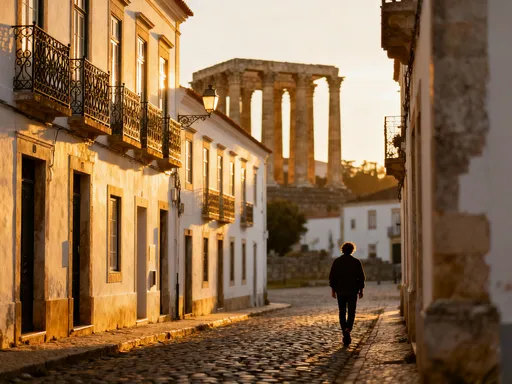
You know that feeling when a city just speaks to you? That’s Santiago de Cuba. I didn’t go looking for art—I tripped over it. In its peeling colonial facades, in the way sunlight hits a wrought-iron balcony just right, in the quiet geometry of forgotten courtyards. This isn’t just architecture—it’s poetry in stucco and stone. If you’ve ever felt that pull toward places with soul, this eastern gem of Cuba answers the call. Here, beauty isn’t curated behind museum glass; it breathes in the walls, sings from the rooftops, and dances in the shadows of centuries-old arches. Santiago doesn’t show off—it reveals itself slowly, like a well-kept secret whispered from one traveler to another.
First Impressions: A City That Breathes Art
Santiago de Cuba greets visitors with a rhythm all its own. Nestled between steep hills and the shimmering Caribbean Sea, the city unfolds like a layered painting, where every turn reveals a new composition of color, texture, and light. Unlike the more polished streets of Havana, Santiago feels alive in a raw, unfiltered way. Art here is not confined to galleries or museums—it spills out of doorways, climbs up weathered walls, and blooms in the ironwork of second-floor balconies. The city’s topography shapes its architectural soul: buildings cling to slopes, stacked like terraced gardens, their facades angled to catch the breeze and the afternoon sun. This vertical layout creates a natural theater of form and shadow, where architecture moves with the day’s light.
What strikes most is the vibrant palette of the city. Homes are painted in bold, sun-bleached hues—crimson, cobalt, ochre, and mint—each shade faded just enough by salt and time to feel earned rather than applied. These colors are not random; they reflect a deep cultural memory, a legacy of Caribbean expressionism where joy and resilience are painted boldly onto the world. The materials tell stories too—weathered wood, crumbling stucco, hand-forged railings—all bearing the marks of decades, even centuries, of tropical living. Yet there is no sense of decay, only of continuity. The city does not hide its age; it wears it like a well-loved garment.
This fusion of Spanish colonial order and Caribbean improvisation defines Santiago’s architectural character. You see it in the way a perfectly symmetrical colonial doorway might be flanked by a wildly asymmetrical addition, built with whatever materials were at hand. You hear it in the creak of a wooden shutter, repaired one more time with care. This is a city where function and beauty are not at odds—they are partners in survival. Every architectural choice, from the height of a window to the slope of a roof, responds to the climate, the culture, and the lived experience of its people. To walk through Santiago is to witness architecture not as a static discipline, but as a living conversation between past and present.
The Colonial Bones: 16th-Century Foundations, Living History
Founded in 1515, Santiago de Cuba is one of the oldest cities in the Americas, and its historic core still pulses with the weight of centuries. At its heart stand structures that have weathered hurricanes, revolutions, and the slow erosion of time. The Catedral de Nuestra Señora de la Asunción, with its thick stone walls and Baroque bell towers, anchors the city’s spiritual and architectural identity. Built over decades and refined through generations, the cathedral’s design reflects both European ecclesiastical traditions and Caribbean adaptation. Its heavy walls, more than two meters thick in places, were engineered not only for grandeur but for resilience—against heat, humidity, and the occasional tremor from the nearby fault lines.
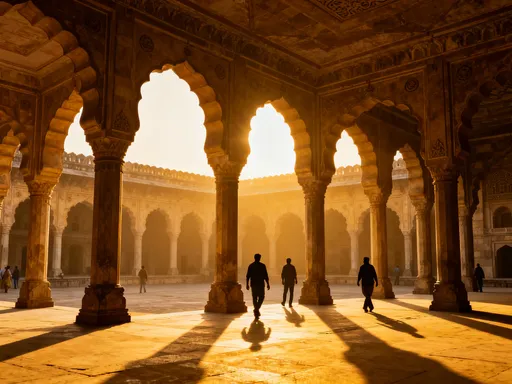
Just steps away, the Casa de Diego Velázquez, the oldest preserved colonial residence in Cuba, offers a window into domestic life during the early Spanish settlement. Constructed with local limestone and timber, the house centers around a spacious interior patio, a hallmark of Caribbean colonial design. This open courtyard was more than decorative—it served as a climate regulator, drawing in cool air and allowing hot air to rise and escape. The surrounding arcades, supported by thick stone columns, provided shaded walkways that protected inhabitants from both sun and rain. These features were not luxuries; they were essential responses to the tropical environment, proving that good design is born of necessity.
What makes these colonial structures so powerful is their continuity. They are not relics behind velvet ropes. Mass is still celebrated in the cathedral. Families still live in homes modeled after the Casa de Diego Velázquez. The past is not preserved—it is lived. This living history gives Santiago a depth that few cities can match. The colonial architecture here is not a performance for tourists; it is the foundation of daily life. Even the wear and tear—chipped plaster, uneven floors, rusted hinges—adds to the authenticity, reminding visitors that history is not a clean, curated exhibit, but a messy, ongoing process.
Moreover, the layout of the old city reflects a human scale that modern urban planning often forgets. Narrow cobblestone streets wind organically, following the contours of the land rather than imposing a grid. This organic growth speaks to a time when cities were shaped by people, not blueprints. The result is a sense of intimacy, of discovery around every corner. You don’t just see the architecture—you feel it in your feet, in the way the air changes as you pass under an arched gateway, in the sudden hush of a shaded alley. Santiago’s colonial bones are not just structural; they are sensory, emotional, alive.
Eclecticism in Every Hue: Turn-of-the-Century Grandeur
By the late 19th and early 20th centuries, Santiago de Cuba entered a period of economic prosperity, fueled by trade, agriculture, and a growing middle class. This era left an indelible mark on the city’s skyline, introducing a wave of eclectic architecture that blended European elegance with tropical practicality. Buildings from this period showcase French-inspired wrought-iron balconies, neoclassical columns, and Art Nouveau flourishes—delicate stucco swirls, floral motifs, and stained-glass transoms that filter sunlight into jewel-toned patterns on interior floors.
One of the most striking examples is the Teatro Heredia, a cultural landmark that embodies the city’s artistic aspirations. With its ornate façade, grand staircase, and acoustically refined auditorium, the theater was designed not just for performance, but as a statement of civic pride. Its interior features hand-painted ceilings, gilded moldings, and velvet-draped boxes—all testaments to a time when public spaces were treated as works of art. Yet even here, European influences were adapted to the Caribbean context. High ceilings and cross-ventilation systems were incorporated to combat the heat, while wide eaves and deep overhangs protected delicate interiors from torrential rains.
What sets Santiago’s eclectic architecture apart is how these imported styles were never copied slavishly. Instead, they were interpreted, reimagined, and often handmade by local artisans who infused them with a distinct regional character. A neoclassical column might be painted bright turquoise. A French balcony could be adorned with hand-carved wooden details inspired by Afro-Caribbean motifs. This synthesis of global trends and local craftsmanship created a unique architectural language—one that honored tradition without being bound by it.
These buildings were more than aesthetic statements; they reflected a society in transition. As new wealth emerged, so did new ideas about identity, culture, and progress. The homes of merchants and professionals from this era often featured modern conveniences—indoor plumbing, electricity, and glass windows—yet retained traditional elements like central patios and thick masonry walls. This blend of old and new speaks to a city that was open to change but rooted in its heritage. Today, many of these structures still stand, some restored with care, others patiently waiting for renewal. Their survival is a testament to the enduring value placed on beauty, even in times of scarcity.
Baroque with a Caribbean Pulse: The Unique Criollo Style
At the heart of Santiago’s architectural identity lies *Arquitectura Criolla*—a distinctive style born from the fusion of Spanish colonial planning, African craftsmanship, and Caribbean environmental logic. This is not a style taught in textbooks; it evolved organically, shaped by the needs, resources, and creativity of everyday people. Criollo homes are instantly recognizable: asymmetrical layouts, vibrant colors, ornate wooden grilles known as *rejas*, and interior fountains that serve both practical and symbolic purposes.
One of the most striking features of Criollo architecture is the *reja*. These hand-forged iron or wooden window grilles are more than security measures—they are works of art. Each pattern tells a story, often reflecting the family’s heritage, profession, or spiritual beliefs. Some resemble waves, echoing the nearby sea; others mimic leaves or geometric symbols passed down through generations. Because they were typically made by local blacksmiths or carpenters, no two are exactly alike. This individuality turns the entire city into a gallery of personal expression, where even the most modest home can boast a unique artistic signature.
The layout of Criollo homes also reflects a deep understanding of climate and culture. Unlike the rigid symmetry of pure colonial design, these houses often grow organically, with rooms added as families expand. This creates a charming irregularity, where hallways twist unexpectedly and doorways lead to hidden alcoves. Yet this apparent chaos follows a clear logic: maximizing shade, capturing breezes, and preserving privacy. High walls enclose interior courtyards, shielding families from the public eye while creating private oases of calm and greenery.
Water plays a central role in this architectural philosophy. Interior fountains, often made of ceramic or stone, serve as both cooling devices and symbols of life and renewal. The sound of trickling water masks street noise, while evaporation helps lower indoor temperatures. In a city where air conditioning is rare, such passive cooling methods are not luxuries—they are necessities. Yet they are executed with such grace that they elevate the everyday into the poetic. In Santiago, even utility is beautiful. The Criollo style proves that architecture can be both deeply functional and profoundly expressive, turning homes into living testaments of identity and ingenuity.
Street Art as Architectural Dialogue
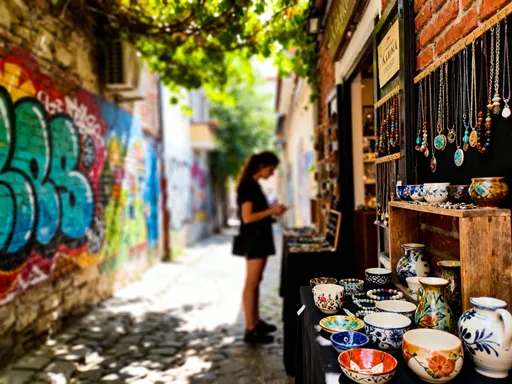
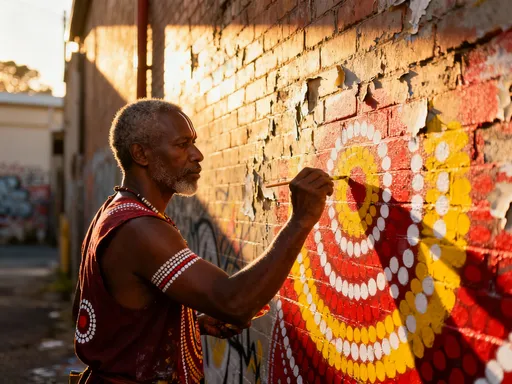
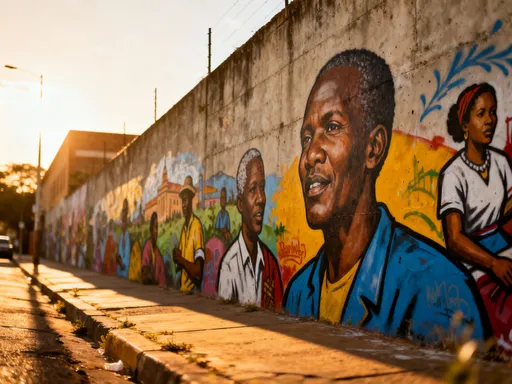
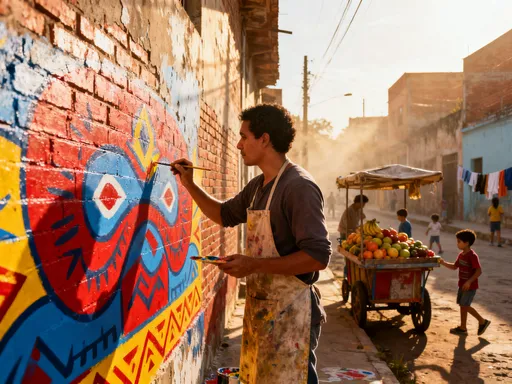
In many cities, street art is seen as a rebellion against the built environment—an act of defiance on blank walls. In Santiago de Cuba, it feels more like a conversation. Murals, painted facades, and decorative stencils do not cover the city’s history; they engage with it. Artists here do not erase the past—they layer themselves onto it, adding new voices to an ongoing narrative. A 19th-century wall might bear a vibrant depiction of a local musician, the colors echoing the hues of the surrounding buildings. A crumbling column could be transformed into a canvas for a floral pattern that mimics the vines climbing nearby.
What makes this street art so integrated is its respect for context. Unlike in cities where graffiti is seen as vandalism, Santiago’s painted walls often feel like extensions of the architecture itself. The scale, color palette, and subject matter are carefully chosen to harmonize with the surrounding structures. A mural on a colonial façade might incorporate arches or columns into its design, blurring the line between original structure and artistic addition. This sensitivity ensures that the art enhances rather than overwhelms, creating a dialogue between old and new, permanent and temporary.
Many of these works are created by local artists, often trained at the city’s Escuela Nacional de Arte or through community workshops. Their subjects are deeply rooted in Santiago’s identity—its music, its resistance, its festivals, its people. A wall in the Tivoli neighborhood might depict dancers in traditional *conga* attire, their movements echoing the rhythm of the city itself. Another in the Casilda district could honor local farmers, their faces rendered in bold, expressive strokes. These images do more than decorate; they affirm a sense of pride and belonging.
This artistic layering transforms the city into a living archive. Each painting, stencil, or mosaic adds a new chapter to Santiago’s story, ensuring that its cultural memory remains visible, dynamic, and accessible. Unlike museums, which preserve the past behind glass, the streets of Santiago keep history alive in the open air. Here, art is not separate from life—it is part of the infrastructure, as essential as water or electricity. To walk through Santiago is to read a city that writes itself anew every day, one brushstroke at a time.
Hidden Courtyards and Living Patios: The Heartbeat Behind the Walls
Behind the high, often unassuming façades of Santiago’s homes lie their true hearts: the interior patios. These private courtyards are more than architectural features—they are the soul of domestic life. Shaded by overhanging roofs or climbing vines, cooled by fountains or the gentle movement of air, these spaces serve as family gathering spots, gardens, and sanctuaries from the heat. In a city where outdoor living is not a luxury but a necessity, the patio is the center of the home.
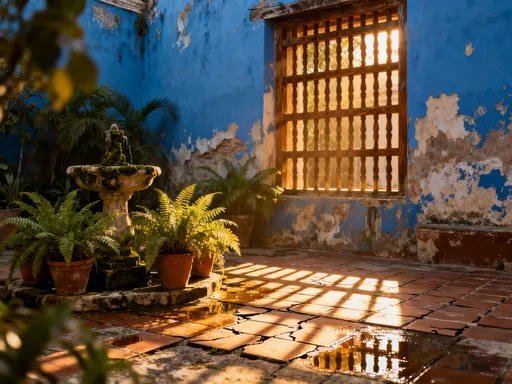
The design of these patios follows a clear environmental logic. High walls provide privacy and block the midday sun, while the open center allows for airflow and natural light. Many feature a central water element—a fountain, a small pool, or even a repurposed barrel with floating flowers. The sound of water masks urban noise, creating a sense of tranquility. Tile work often lines the floors or lower walls, with patterns that may reflect family history or regional craftsmanship. Some homes still use *azulejos*, hand-painted ceramic tiles brought from Spain centuries ago, now chipped and faded but cherished all the same.
These patios are also deeply social. Meals are often eaten here, children play under the watchful eyes of elders, and neighbors gather for music and conversation in the evenings. In the summer months, families may even sleep in the patio to catch the night breeze. This blending of indoor and outdoor living reflects a cultural rhythm that values connection—to each other, to nature, to the passage of time. The patio is not just a space; it is a way of life.
What makes these courtyards so powerful is their intimacy. Unlike public plazas or tourist sites, they are not designed for display. They are lived-in, imperfect, and deeply personal. A clothesline might stretch across one corner, potted plants crowd the edges, and a cat naps in a patch of sunlight. Yet even in their simplicity, they radiate warmth and care. To be invited into a Santiago patio is to be welcomed into someone’s world. These hidden spaces remind us that the most meaningful architecture is not always the grandest—it is the one that shelters love, laughter, and daily life.
Preservation in Progress: Beauty Amid Change
Santiago de Cuba’s architectural treasures face real challenges. Humidity, salt air, hurricanes, and limited resources all take their toll on centuries-old structures. Plaster cracks, wood rots, roofs leak. Yet, in the face of these pressures, a quiet movement of preservation is underway—one driven not by foreign investors or government mandates, but by local residents and heritage groups committed to authenticity. Restoration projects prioritize traditional materials and techniques, using lime-based plasters, hand-carved wood, and locally sourced stone. The goal is not to create a polished imitation of the past, but to sustain the city’s genuine character.
Community involvement is central to this effort. Neighborhood associations organize clean-up days, artists volunteer to repair murals, and elders pass down knowledge of traditional craftsmanship to younger generations. In some cases, families restore their homes incrementally, repairing one room at a time as resources allow. This slow, thoughtful approach ensures that preservation remains accessible and meaningful, rather than becoming a tool for gentrification or tourist commodification.
There are also signs of cautious optimism. International organizations have begun to support conservation initiatives, providing training and materials without imposing foreign aesthetics. Cuban architects and historians are documenting endangered buildings, creating archives that may guide future restoration. Most importantly, there is a growing recognition that Santiago’s value lies not in perfection, but in its authenticity—the cracks, the colors, the layers of time.
This is not a city frozen in the past. It is evolving, but with intention. New constructions often echo traditional forms, using courtyards, high ceilings, and shaded balconies to stay true to the local vernacular. Even modern renovations respect the rhythm of the streets, maintaining scale and proportion. Santiago teaches us that preservation is not about stopping time—it is about honoring it, learning from it, and building forward with respect. The city’s beauty is not despite its age; it is because of it.
Santiago de Cuba teaches us that architecture isn’t just about buildings—it’s about memory, identity, and resilience. Every chipped paint edge, every hand-carved beam, whispers a story of survival and creativity. To walk its streets is to witness art not as decoration, but as life lived loudly and beautifully. Visit not to check a box, but to remember what cities can be when they’re allowed to dream in color and form. Here, walls speak, courtyards breathe, and every corner holds a quiet masterpiece. Santiago does not shout its beauty—it lets you discover it, one sunlit balcony, one painted door, one hidden garden at a time.