Urban Trails & Cobblestone Dreams: Hiking Prague’s Hidden Green Lungs
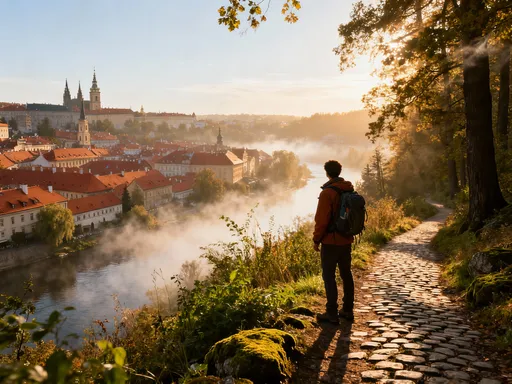
You know that feeling when you think a city is all about museums and trams, then suddenly you’re hiking through forested hills with skyline views? Yeah, Prague hits different. I never expected to find such wild, peaceful trails just minutes from the historic center. This isn’t just sightseeing—it’s adventure with a side of strudel. Let me take you where the pavement ends and the real magic begins. Beneath its golden spires and baroque facades, Prague holds a quieter, greener secret: an intricate network of urban trails winding through vineyards, forests, and river valleys, all within easy reach of the Old Town. These paths don’t just offer escape—they redefine what city travel can be.
Why Hiking in Prague Defies Expectations
When most travelers picture Prague, they imagine the Charles Bridge at dawn, the Astronomical Clock striking the hour, or the grand silhouette of Prague Castle against the sky. What few anticipate is how quickly the city gives way to nature. Just beyond the cobbled lanes and café-lined squares, forested hills rise like green islands in a sea of historic architecture. This seamless blend of urban life and natural refuge is no accident—it’s the result of thoughtful geography and long-standing respect for green space. Nestled along the meandering Vltava River and surrounded by gentle hills, Prague has always been shaped by water and elevation. The city’s planners, dating back centuries, preserved corridors of woodland and parkland, ensuring residents and visitors alike could breathe deeply without leaving the municipal boundaries.
What makes hiking in Prague so uniquely rewarding is accessibility. Within 20 minutes of the National Theatre, you can be walking beneath canopy-covered trails where the only sounds are rustling leaves and distant bird calls. These urban forests aren’t ornamental—they’re fully functional ecosystems, home to deer, foxes, and dozens of bird species. The city’s commitment to conservation means many areas are protected as nature reserves, yet remain open to the public. This duality—wilderness so close to urban energy—creates a rare travel experience: the ability to shift from bustling streets to silent woodland in less time than it takes to order a coffee.
For families, solo travelers, and seasoned hikers alike, this proximity offers something transformative. Instead of choosing between culture and nature, you can have both in a single day. Imagine starting with a morning tour of St. Vitus Cathedral, then hiking through vineyard-covered slopes by afternoon, all without needing a car or a full-day excursion. These green spaces serve as the city’s lungs, but they’re also its heartbeat—places where locals jog, forage for mushrooms, or picnic beneath ancient trees. The message is clear: in Prague, nature isn’t an afterthought. It’s woven into the city’s identity.
Top Urban Hiking Zones Within the City
Prague’s most beloved green zones are not hidden secrets—they’re cherished parts of daily life, easily integrated into any visit. Three stand out for their accessibility, scenic variety, and distinct personalities: Petřín Hill, Letná Park, and the Vltava River trails. Each offers a different flavor of urban hiking, yet all are reachable on foot or by a short tram ride from the city center.
Petřín Hill, rising just west of the Malá Strana district, feels like stepping into a living garden. Its terraced paths wind through rhododendron groves, rose gardens, and shaded woodlands, culminating in panoramic views from the Petřín Lookout Tower—a smaller cousin of the Eiffel Tower. The climb itself is part of the experience: a series of staircases and gentle slopes that reward steady effort with quietude and beauty. At 318 meters, it’s not high by mountain standards, but the elevation gain is enough to leave you pleasantly breathless. Spring brings bursts of color from blooming flowers, while autumn cloaks the hill in warm golds and reds. Early mornings are ideal, when mist drifts between the trees and the city slowly wakes below.
Just across the river, Letná Park occupies a broad plateau above the Vltava, offering one of the most sweeping city vistas in Europe. Once a vineyard and later a Stalin monument site, it’s now a sprawling green space popular with joggers, kite flyers, and families. The park’s main path circles the hilltop, but branching trails lead down toward the riverbank, where you can follow the water’s edge beneath weeping willows and stone bridges. Unlike Petřín’s more formal layout, Letná feels open and democratic—a place where people gather not just to hike, but to relax, play, and connect. Its northern edge drops steeply, revealing dramatic views of the river bending around the city, framed by red rooftops and church spires.
Along the Vltava River, a network of paved and unpaved trails connects neighborhoods from Vyšehrad to Holešovice. These paths are ideal for casual walkers and serious hikers alike, offering flat, continuous routes with frequent access points. The riverbank trail from Charles Bridge to Vyšehrad, for instance, takes about an hour at a leisurely pace and passes under arched bridges, past riverside cafes, and through shaded groves. In summer, locals cool off with swims at approved spots near Podolí, while in winter, the frozen edges of the river create quiet, frost-laced walks. These trails pulse with the rhythm of the city—commuters on bikes, couples strolling, children chasing ducks—yet remain peaceful enough to feel like escape.
The Vinohrady to Vyšehrad Ridge Walk: A Local’s Favorite
Among Prague’s many urban hikes, one route stands out for its poetic blend of history, nature, and local life: the 6-kilometer walk from Vinohrady to Vyšehrad. This journey begins in the quiet, tree-lined streets of Vinohrady, a residential district known for its early 20th-century architecture and neighborhood charm. From Jiřího z Poděbrad Square, hikers follow a series of small streets and staircases upward, gradually leaving the traffic behind. The path isn’t always marked, but that’s part of its appeal—it feels like discovery, like following a secret thread through the city’s fabric.
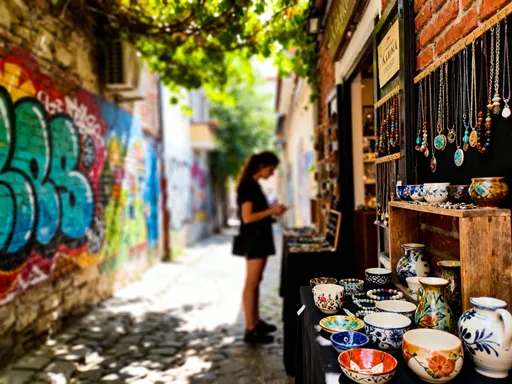
As you climb, the city opens up in layers. A hidden staircase near Havlíčkovy sady park leads into a wooded ravine, where ivy climbs old stone walls and birds sing from high branches. Further on, the trail passes through a graffiti-lined alley, where street art shifts with the seasons—new murals painted over old, messages of hope or humor appearing after rain. These urban touches don’t clash with nature; they complement it, showing how the city breathes and evolves. The route then skirts the edge of Riegrovy Sady, a park famous for its beer garden and summer concerts, before descending toward the Vltava.
The final stretch leads to Vyšehrad, an ancient fortress complex said to be the legendary seat of Prague’s earliest rulers. Its redbrick walls and Gothic basilica stand sentinel over the river, surrounded by sprawling lawns and centuries-old trees. The fortress grounds are a destination in themselves—home to the serene Vyšehrad Cemetery, where Czech cultural icons like Dvořák and Mucha are buried. But for hikers, the real prize is the ridge walk along the river’s edge, where limestone cliffs drop to quiet waters below. Herons stand motionless in the shallows, fishermen cast long lines from the banks, and the city skyline glows in the distance. Locals favor this path for morning runs and sunset strolls, drawn by its quiet dignity and layered history. It’s not just a trail—it’s a narrative in motion, telling the story of Prague through stone, soil, and sky.
Beyond the Center: Day Hikes in Prague’s Green Belt
For those seeking deeper immersion, Prague’s green belt offers true woodland experiences just a short tram or bus ride from the center. These areas—Divoká Šárka, Hostivař Reservoir, and the Bohemian Karst—are not suburbs pretending to be wild. They are genuine natural sanctuaries, protected for their biodiversity and recreational value. And remarkably, none require more than 30–40 minutes of public transit to reach.
Divoká Šárka, located in the northwest part of the city, is perhaps the most dramatic. A protected nature reserve since 1986, it features a deep valley carved by the Šárka Stream, surrounded by steep forested slopes and rocky outcrops. Trails here range from easy boardwalks over wetlands to challenging climbs along limestone cliffs. In spring, the valley blooms with wildflowers—wood anemones, primroses, and orchids—while in autumn, the beech and oak forests turn fiery red and gold. The area is home to deer, badgers, and even the occasional eagle, making it a favorite for birdwatchers and naturalists. Despite its wild feel, access is simple: tram line 25 takes you to the edge of the reserve, where clear signage guides hikers into the heart of the forest.
Hostivař Reservoir, in the southeast, offers a different kind of escape. Created in the 1950s as a flood control measure, it has become a beloved recreational lake surrounded by walking and cycling paths. The main trail circles the entire reservoir—about 6 kilometers—and is flat and well-maintained, ideal for families and casual walkers. In summer, locals swim in designated areas, paddle in rented kayaks, or sunbathe on grassy banks. The surrounding parkland is dotted with playgrounds, outdoor gyms, and picnic spots, making it a hub of community life. Unlike more remote lakes, Hostivař is fully integrated into the city’s green network, accessible by metro and bus, yet it feels worlds away from urban noise.
For longer excursions, the Bohemian Karst (Český kras) lies just 20 kilometers west of Prague. This UNESCO-protected landscape is a maze of limestone formations, gorges, and ancient forests, shaped by millions of years of erosion. It’s home to some of the country’s most famous caves, including the Koněprusy Caves, where guided tours reveal underground chambers filled with stalactites and fossilized remains. The surface trails are equally impressive, with routes leading through dense beech woods, across stone bridges, and to hidden chapels carved into rock faces. Trains from Prague’s Smíchov station connect directly to villages like Karlštejn, where hikers can begin their journey into the karst landscape. These areas don’t just offer recreation—they serve as vital ecological buffers, filtering air and water for the entire region.
Practical Tips for Hiking Light in a City Setting
One of the greatest advantages of urban hiking is simplicity. You don’t need a backpack full of gear, a car, or a full day to disappear into nature. But smart preparation still matters. The key is to travel light while staying prepared. Start with footwear: a pair of comfortable trail shoes with good grip works best. They should handle both cobblestone streets and muddy forest paths. Avoid heavy hiking boots unless you’re tackling longer routes in the karst—most city trails don’t require them.
Your day pack should be compact—10 to 15 liters is plenty. Essentials include a refillable water bottle (Prague has excellent tap water, and fountains are common in parks), a light rain jacket (weather changes quickly), and a small first-aid kit. A foldable map or offline GPS app helps, especially in areas like Divoká Šárka where trails branch frequently. Snacks are wise—fresh fruit, nuts, or a small sandwich from a local bakery can sustain energy without weighing you down. And always carry your ID, phone, and a small amount of cash, as some tram tickets or small cafes may not accept cards.
Public transit is your best friend. Prague’s integrated system—trams, metro, and buses—connects directly to trailheads. Use the PID Lítačka app or the official PID website to plan routes. Many trails begin near tram stops with names like “Šárka” or “Hostivař,” clearly marked on maps. When in doubt, ask at a tourist information center or hotel desk—they’re used to hikers. Signage in green zones is generally good, with color-coded trails (red, blue, green, yellow) following the Czech standard. Painted markers on trees and stones guide the way, but it’s wise to have a backup plan in case of fading signs or overgrown paths.
Safety is rarely an issue in these areas. Crime rates are low, and trails are well-used, especially on weekends. Still, let someone know your route if hiking alone, and carry a charged phone. Avoid hiking after dark unless on well-lit, populated paths like those near Letná or the riverbank. And respect the environment: stay on marked trails, don’t litter, and avoid disturbing wildlife. These spaces are shared treasures—keeping them clean ensures they remain accessible for generations.
Seasonal Shifts: How Prague’s Trails Transform Year-Round
Prague’s hiking appeal isn’t limited to warm months. Each season paints the trails in a new light, offering distinct experiences and rhythms. Spring begins in March with the first green shoots pushing through damp soil. By April, Petřín Hill is awash in blooming magnolias and cherry blossoms, while the wetlands of Divoká Šárka come alive with frogs and migratory birds. This is a time of renewal, when locals emerge from winter with renewed energy, eager to walk, run, and forage for wild garlic in the forests.
Summer brings long days and warm evenings, perfect for riverside walks and evening swims. The Vltava trails buzz with activity, and beer gardens in parks like Riegrovy Sady fill with laughter and music. But summer also means crowds, so early mornings or weekdays offer more solitude. July and August can be humid, so hydration and sun protection are essential. Many locals take day trips to the Bohemian Karst during this time, seeking shade in deep forests and cool air in cave systems.
Autumn is often considered the most beautiful season for hiking. The vineyards near Vyšehrad and the forests of the Bohemian Karst turn into a tapestry of red, orange, and gold. Crisp air fills the lungs, and the light slants golden through the trees. It’s also mushroom season—a beloved tradition in Czech culture. With a permit, hikers can forage for chanterelles, boletes, and other edible varieties, adding a culinary reward to the journey. October and November bring foggy mornings and quiet trails, ideal for reflective walks.
Winter transforms the landscape into something serene and still. Snow dusts the trails of Divoká Šárka, turning the valley into a silent, white wonderland. While some paths become slippery, others are packed down by regular use, making them perfect for winter strolls. Locals embrace the cold with lantern walks, especially around Christmas, when families carry glowing jars through the woods. Ice forms along the river’s edge, and frost coats the bark of ancient trees. With fewer tourists, winter offers a rare chance to experience Prague’s green spaces in quiet contemplation. Layered clothing, waterproof boots, and a thermos of tea make all the difference.
Why Urban Hiking Redefines City Travel
Hiking in Prague does more than provide exercise or scenic views—it changes how we experience cities. It challenges the idea that urban life must be loud, fast, and disconnected from nature. Instead, it reveals that cities can be living ecosystems, where culture and wilderness coexist in harmony. These trails teach us to move slowly, to notice details—the way light filters through leaves, the sound of a woodpecker in the distance, the scent of pine after rain. They invite us to see the city not as a collection of monuments, but as a dynamic, breathing entity.
For families, these walks offer shared moments away from screens and schedules. For solo travelers, they provide space for reflection and connection. For locals, they are a source of pride and daily renewal. Urban hiking fosters a deeper relationship with place—one built on presence rather than consumption. You’re not just visiting Prague; you’re moving through it, feeling its rhythms, understanding its layers.
In a world where travel often means checking off landmarks, these trails remind us of the value of slowness. They restore balance—between movement and stillness, between seeing and feeling. They prove that adventure doesn’t always require a passport or a plane ticket. Sometimes, it begins with a simple decision: to step off the cobblestone street and follow the path into the trees. So lace up your shoes, leave the guidebook behind, and let Prague surprise you. The real magic isn’t just in the spires or the bridges. It’s in the quiet moments between steps, where city and forest meet, and the world opens up.