You Won’t Believe What Darwin’s Festivals Are Hiding
Imagine dancing under starlit skies in northern Australia, where cultures collide in a burst of music, color, and flavor. I didn’t expect Darwin to be such a festival hotspot—until I experienced its electric vibe firsthand. From Indigenous art feasts to open-air film nights, the city pulses with energy. This is more than tourism; it’s cultural immersion at its most authentic and alive. Nestled on the Timor Sea, Darwin blends tropical ease with a deep-rooted sense of community. Its festivals aren’t staged for cameras—they grow from the soil of lived experience, resilience, and pride. Here, celebration is both a tradition and a statement of identity.
Discovering Darwin: More Than Just a Gateway to the Top End
Darwin, the capital of Australia’s Northern Territory, is often seen merely as a stopover for travelers heading to Kakadu or Katherine Gorge. Yet those who pause discover a city rich in rhythm, warmth, and cultural fusion. With a population of just over 140,000, Darwin remains compact, allowing visitors to feel connected rather than overwhelmed. Its tropical climate brings a long dry season from May to October, offering ideal conditions for outdoor festivals under clear skies and gentle breezes. During the wet season, from November to April, lush greenery flourishes, though heavy rains may limit outdoor activities.
What sets Darwin apart is its multicultural fabric. Over 60 nationalities call the city home, with strong representation from Aboriginal communities, Southeast Asia, and the Pacific Islands. This diversity isn’t just visible—it’s celebrated. The city’s history as a port and military hub has shaped its openness to global influences, while its proximity to Asia fosters deep cultural and economic ties. Unlike larger Australian cities where events can feel commercialized, Darwin’s festivals retain a grassroots authenticity. They are community-driven, locally funded, and deeply personal.
Despite its small size, Darwin delivers big experiences. Its harborfront location creates natural amphitheaters for performances, while parks and open spaces double as festival grounds. The city’s walkability enhances accessibility, allowing families, seniors, and solo travelers alike to engage fully. There’s no need for grand venues when the ocean breeze and palm-lined streets become part of the stage. This intimacy allows attendees to connect not only with the events but also with one another—strangers sharing stories over shared meals or dancing side by side under string lights.
The Heartbeat of the City: Why Festivals Define Darwin’s Identity
Festivals are not seasonal decorations in Darwin—they are the heartbeat of civic life. More than entertainment, they serve as vital threads weaving together the city’s diverse communities. Each event reflects a commitment to cultural preservation, mutual respect, and collective joy. After enduring challenges like Cyclone Tracy in 1974, which nearly destroyed the city, Darwin rebuilt with resilience and unity. Festivals emerged as symbols of recovery, expressions of strength, and declarations that life here would not only continue but thrive.
These gatherings are not curated for tourists alone. While visitors are warmly welcomed, the primary audience is local. Residents pour time, talent, and heart into organizing events that reflect their heritage and values. Whether it’s a Torres Strait Islander dance group rehearsing for months or a Cambodian-Australian family preparing traditional dishes for a food fair, participation is personal. This authenticity resonates with attendees, creating moments that feel genuine rather than performative.
The role of festivals in education and reconciliation cannot be overstated. Many events include workshops, storytelling sessions, and language demonstrations that pass knowledge across generations. Schools often participate, bringing students into the fold so they learn pride in their roots and appreciation for others’. In a nation still navigating its colonial past, Darwin’s festivals model what inclusive celebration can look like—grounded in truth, open to dialogue, and focused on shared humanity.
Moreover, these events strengthen social cohesion. In a remote region where isolation could be a challenge, festivals create regular opportunities for connection. They bring together people from urban Darwin and surrounding rural communities, including those from Aboriginal homelands. The sense of belonging fostered during these times extends beyond the event dates, influencing how people interact year-round. When neighbors collaborate on a float for the Mindil Beach Sunset Market parade or co-host a cooking demo at a cultural festival, they build trust and understanding that last far longer than a single weekend.
Darwin Festival: An Explosion of Art, Music, and Street Life
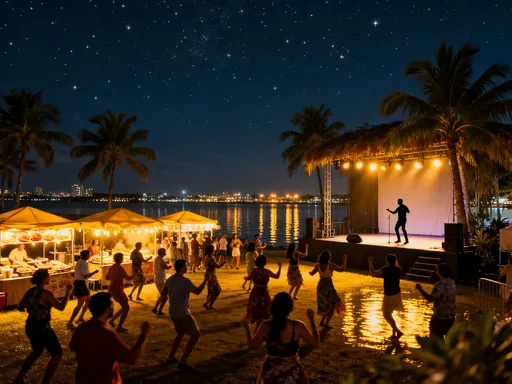
Each August, the Darwin Festival transforms the city into a vibrant open-air arts hub. Spanning ten days, this flagship event showcases over 150 performances across theater, dance, music, visual art, and comedy. Held in iconic locations like the Amphitheatre at Mindil Beach, the Courthouse Lawns, and the Waterfront Precinct, the festival turns everyday spaces into stages of imagination. Locals and visitors fill bean bags, picnic blankets, and folding chairs, settling in for evenings of creativity under the stars.
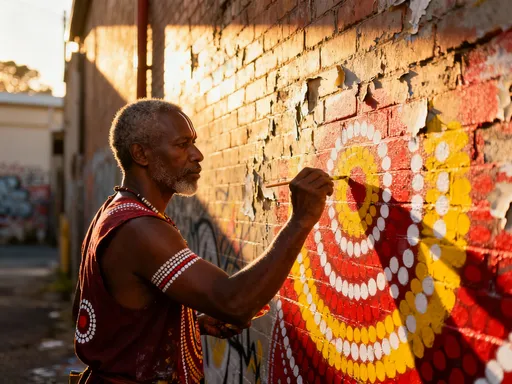
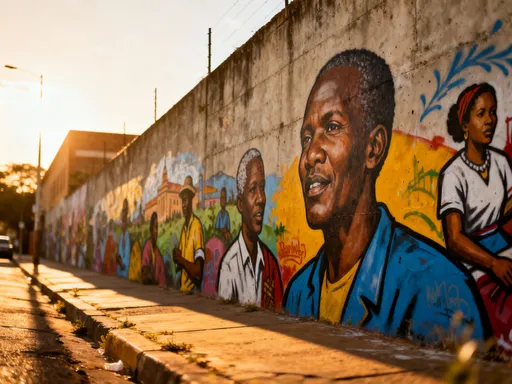
What makes the Darwin Festival unique is its balance of professional artistry and community inclusion. Internationally recognized acts share lineups with emerging Northern Territory artists, ensuring both high quality and local representation. Performances range from contemporary dance interpreting climate change to Indigenous storytelling through song and movement. Outdoor installations invite interaction—light sculptures pulse with sound, and interactive murals evolve as visitors contribute their marks.
The atmosphere is electric yet relaxed. As daylight fades, food trucks serve everything from wood-fired pizza to saltwater crocodile burgers (a local curiosity, not a staple), while bars offer tropical cocktails made with native ingredients like lemon myrtle and kakadu plum. Children laugh at puppet shows, elders sway to jazz ensembles, and teens capture moments for social media—all part of a shared cultural moment. Free events ensure accessibility, removing financial barriers to participation.
Beyond performances, the festival nurtures creative development. Workshops in mask-making, digital storytelling, and songwriting are offered to all ages. Schools partner with artists for residency programs, giving students hands-on experience in theatrical production or set design. For many young Territorians, this exposure sparks lifelong passions. The festival also supports First Nations artists through dedicated grants and performance slots, reinforcing its commitment to equity and representation.
Taste the Tropics: Food and Cultural Festivals That Feed the Soul
In Darwin, food is more than sustenance—it’s a language of culture, memory, and welcome. The city’s festival calendar overflows with culinary celebrations that bring people together around shared tables. One of the most anticipated is the Darwin Aboriginal Art Fair (DAAF), held annually alongside the Darwin Festival. While primarily an exhibition of Indigenous art from over 70 remote communities, DAAF’s marketplace is a feast for the senses. Here, visitors sample bush tucker—traditional foods like wattleseed damper, roasted emu, and bush tomato chutney—while listening to didgeridoo music and watching live weaving demonstrations.
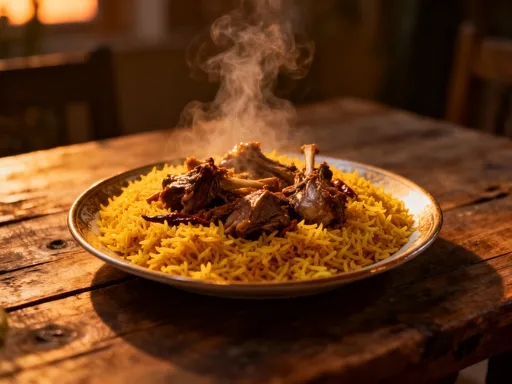
The Greek Glenti festival offers another flavor of community spirit. Organized by Darwin’s Hellenic Club, this lively event fills a harbor-side park with the scent of grilled souvlaki, spanakopita, and loukoumades drizzled with honey. Tables overflow with olives, feta, and slow-cooked lamb, while dancers in traditional costumes invite guests to join in syrtaki lines. The air hums with bouzouki music, and children chase bubbles between stalls. Though rooted in Greek heritage, the festival welcomes all, embodying Darwin’s ethos of inclusion.
Other notable events include the Darwin International Food Festival, where stalls represent Vietnam, India, the Philippines, and Samoa, among others. These aren’t just about taste—they’re immersive experiences. A Thai booth might offer a mini-workshop on folding banana leaf desserts; a Timorese vendor might share stories of migration between Darwin and Dili. Prices remain affordable, with most dishes under AUD $15, making it easy for families to explore widely without strain.
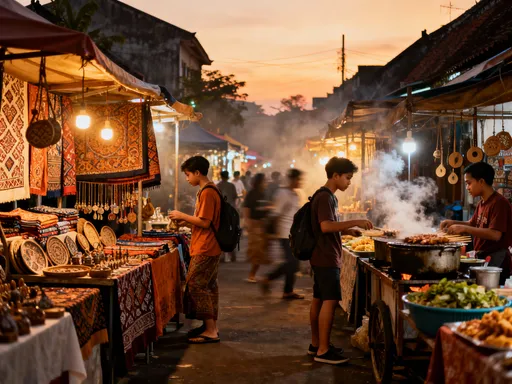
What stands out is the absence of pretense. There are no celebrity chefs or Michelin stars—just home cooks proud to share their family recipes. Many use ingredients grown locally or foraged from the surrounding bush. Mangoes, papayas, and dragon fruit appear in salsas, smoothies, and desserts, celebrating the region’s tropical abundance. Even mainstream markets like the Mindil Beach Sunset Market function like rotating food festivals, drawing thousands weekly during the dry season.
Film Under the Stars: The Magic of Open-Air Cinema and Night Markets
Darwin’s love affair with outdoor entertainment extends beyond formal festivals. Two recurring experiences—the Starlight Cinema and the Nightcliff Foreshore Market—capture the city’s laid-back charm and enduring appeal. Every Friday and Saturday night during the dry season, residents gather at outdoor screens set against coastal backdrops, lying on bean bags or lawn chairs with blankets and snacks. The Starlight Cinema screens everything from beloved classics like *The Sound of Music* to recent blockbusters, all accompanied by food trucks and live pre-show music.
The setting enhances the magic. With the ocean shimmering nearby and the Milky Way often visible above, watching a film here feels different from a multiplex experience. Parents bring toddlers wrapped in towels after beach swims; couples share ice cream under fairy lights; friends laugh at comedies with the breeze in their hair. Tickets are reasonably priced, and group packages make it ideal for family outings. It’s common to see three generations arriving together—grandparents, parents, and grandchildren—all finding something to enjoy.
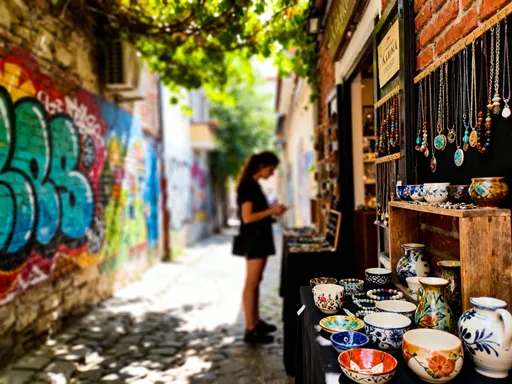
Similarly, the Nightcliff Foreshore Market, held every Saturday morning, blends shopping, dining, and community connection. Stretching along a scenic promenade, the market features over 150 stalls selling handmade crafts, tropical plants, and artisanal goods. Musicians play acoustic sets near the playground, where children climb on equipment shaped like crocodiles and dugongs. Food vendors offer coconut ice, mango lassis, and vegan jackfruit tacos, catering to diverse tastes and dietary needs.
These weekly events function like micro-festivals, sustaining the festive spirit year-round. They require no advance planning, yet deliver consistent joy. Locals use them as social anchors—places to meet friends, run into neighbors, or simply enjoy a slow morning. For visitors, they offer a window into daily life, free from the pressures of itinerary-driven tourism. In a world that often feels rushed, Darwin’s open-air culture invites people to pause, breathe, and be present.
Indigenous Culture Front and Center: Festivals That Honor Ancient Traditions
At the core of Darwin’s festival landscape lies a deep respect for Aboriginal and Torres Strait Islander cultures. While some events are city-based, others occur in nearby communities and are accessible through respectful visitation. The Barunga Festival, held annually in the remote community of Barunga, is one such example. Co-hosted by the Jawoyn, Warlmanpa, and Mangarrayi peoples, it features traditional sports, corroborees (ceremonial dances), art exhibitions, and forums on Indigenous rights and health. Though small in size, its impact is profound.
Attendance is by permit, ensuring cultural protocols are honored. Visitors are expected to listen more than speak, observe rather than intrude. This isn’t a spectacle—it’s a living tradition. Elders pass down songlines and stories, while youth learn dance steps that have been performed for thousands of years. Artworks created during the festival are often later sold at exhibitions in Darwin, supporting local economies and raising awareness of Indigenous voices.
Another significant event is the Garma Festival, hosted by the Yolŋu people in northeast Arnhem Land. Though not in Darwin proper, it draws many attendees from the city and is considered a cornerstone of national cultural dialogue. Over four days, participants engage in ceremonies, workshops on language and land management, and discussions with leaders on policy and reconciliation. Traditional bunggul (dance) performances are central, each telling stories of creation, law, and kinship.
For non-Indigenous Australians and international guests, these festivals offer rare opportunities to witness ancient cultures in continuity. They challenge stereotypes and deepen understanding of the world’s oldest living civilizations. Importantly, they are organized and led by Aboriginal people, ensuring authenticity and control over representation. Proceeds support community programs, education, and cultural preservation, making attendance not just educational but ethically meaningful.
Plan Your Trip: Timing, Tips, and Getting the Most From Darwin’s Festival Scene
To fully experience Darwin’s festival culture, timing is essential. The dry season, from May to September, is the peak period for events. During these months, humidity drops, skies stay clear, and temperatures hover between 25°C and 31°C (77°F–88°F), making outdoor activities comfortable. Most major festivals, including the Darwin Festival, Mindil Beach Markets, and Starlight Cinema, operate weekly or annually within this window. Booking accommodations three to six months in advance is advisable, especially for August, when visitor numbers surge.
Lodging options range from luxury waterfront hotels to family-run guesthouses and caravan parks. Many visitors choose self-contained apartments or serviced studios, which offer flexibility for longer stays. For those seeking immersion, some cultural festivals offer homestay opportunities in nearby communities, though these require prior arrangement and cultural orientation. Public transportation is limited, so renting a car is often the most convenient way to explore both the city and surrounding regions.
Tickets for major events can be purchased online through official festival websites or at local outlets like the Darwin Visitor Information Centre. Many performances and markets are free or low-cost, but popular shows may sell out. Consider purchasing a festival pass if attending multiple events—it often includes discounts and priority access. Families should check for child-friendly programming, which is abundant, including storytelling tents, craft zones, and interactive science exhibits at larger festivals.
To balance urban energy with natural wonder, pair festival visits with day trips to Litchfield National Park or Kakadu. Waterfalls, monsoon forests, and ancient rock art sites provide serene contrast to the city’s vibrancy. Pack light clothing, sunscreen, a hat, and insect repellent—especially for evening events. Respectful behavior is key: ask before photographing people, especially during cultural ceremonies, and follow signage regarding sacred sites or restricted areas. By engaging mindfully, visitors honor the spirit of the events they come to enjoy.
Why Darwin’s Festival Spirit Stays With You Long After the Music Fades
Darwin’s festivals offer more than entertainment—they offer transformation. In a world increasingly dominated by screens, speed, and superficial connections, these gatherings remind us of the power of presence, community, and shared expression. They are not escapes from reality but affirmations of it—lived loudly, proudly, and together. The music may end, the markets may pack up, but the feeling lingers: a sense of belonging, curiosity, and quiet inspiration.
What stays with visitors is not just the taste of a spicy laksa or the image of dancers in feathered headdresses—it’s the realization that culture is alive, evolving, and deeply human. Darwin does not preserve traditions in glass cases; it lives them. It invites others not to watch, but to witness—with humility, with joy, with open hearts. In doing so, it offers a model of celebration that is inclusive, resilient, and true.
Travelers often come seeking scenery or adventure. In Darwin, they find something rarer: authenticity. The city’s festival spirit is not manufactured—it grows from the soil of survival, diversity, and generosity. It teaches that celebration is not frivolous; it is necessary. It is how communities heal, teach, and thrive. To attend a festival in Darwin is not just to visit a place—it is to feel, however briefly, like part of a family. And long after the plane takes off, that feeling remains: warm, real, and quietly unforgettable.