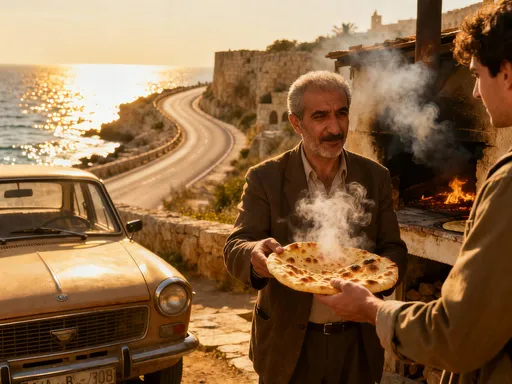
You Won’t Believe What I Found at Yogyakarta’s Local Markets
If you think shopping in Yogyakarta is just about batik and souvenirs, think again. I was blown away by the city’s vibrant market scene—where tradition meets trend on every street corner. From bustling morning markets to night bazaars buzzing with energy, there’s a rhythm to shopping here that goes beyond transactions. It’s personal, authentic, and full of surprises. Let me take you through the real shopping heartbeat of this cultural gem. Here, commerce is not a chore but a celebration of daily life, where every purchase tells a story and every vendor greets you like family. Whether you’re hunting for handwoven textiles or sipping warm *wedang ronde* from a roadside cart, Yogyakarta invites you to slow down and truly connect.
The Pulse of Yogyakarta: Why Shopping Here Feels Different
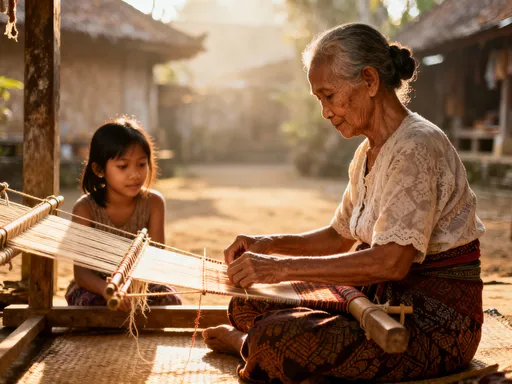
Yogyakarta, often called Jogja by locals, stands apart from other Indonesian cities in the way its people live, create, and trade. Unlike the fast-paced consumerism seen in Jakarta or Surabaya, shopping here unfolds at a human pace—rooted in Javanese values of harmony, respect, and craftsmanship. This city of kings and scholars pulses with a unique blend of tradition and youthful innovation. As a university town, it teems with students who value authenticity over mass production, fueling demand for handmade goods, vintage finds, and eco-conscious alternatives. At the same time, centuries-old artisan communities continue their ancestral trades, passing down skills through generations. This convergence creates a shopping culture that feels both timeless and refreshingly modern.
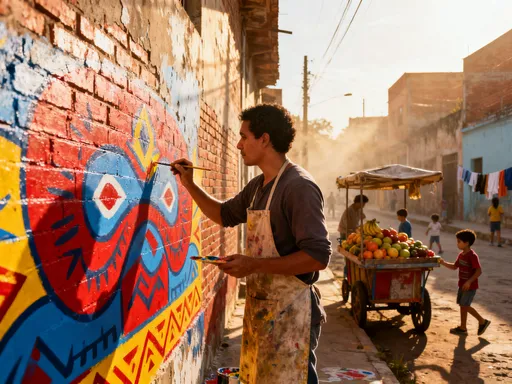
What makes Yogyakarta’s retail scene so distinct is how deeply embedded it is in community life. Markets are not isolated commercial zones but living extensions of neighborhoods. Vendors know their regular customers by name; children play near fabric stalls while elders sip tea on nearby benches. The economy here thrives on trust and personal relationships, not just price tags. Transactions often begin with a smile and a simple greeting—*“Sugeng enjang”* (good morning) or *“Sugeng siang”*—before any bargaining begins. This warmth transforms shopping from a routine errand into a meaningful social experience.
Another defining feature is affordability without compromise on quality. While tourist destinations elsewhere inflate prices for foreigners, many markets in Yogyakarta maintain fair rates for all. Artisans take pride in their work, and their pricing reflects effort and materials, not exploitation. Visitors can find beautifully hand-stitched batik for under $20 or intricately carved wooden boxes for a few dollars more. This accessibility allows even modest budgets to support skilled makers directly. It also encourages exploration—shoppers feel free to browse, ask questions, and return later, knowing they won’t be pressured into immediate purchases.
Moreover, sustainability is woven into the fabric of daily commerce. Reusable cloth bags are common, plastic packaging is minimal, and food vendors serve meals on banana leaves or ceramic plates. Many shoppers bring their own containers for spices, snacks, or drinks. This low-waste approach isn’t marketed as a trend—it’s simply how things have always been done. For environmentally conscious travelers, especially women managing household needs and values, this natural mindfulness resonates deeply. It’s not about performative eco-friendliness but quiet, consistent respect for resources and community well-being.
Beringharjo Market: Heartbeat of Heritage Commerce
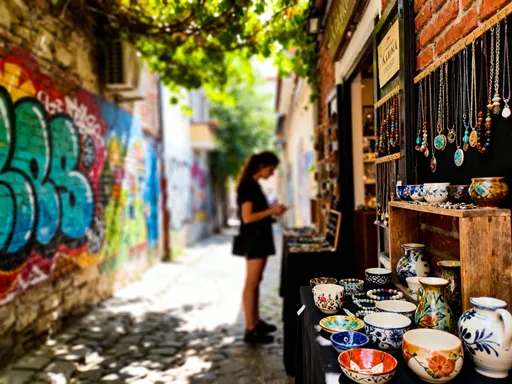
No visit to Yogyakarta is complete without stepping into Beringharjo Market, the city’s most iconic marketplace and a living monument to Javanese trade. Located just south of the Kraton (the royal palace), this sprawling complex has served as a commercial hub since the 18th century. Walking through its narrow alleys feels like entering a different era—wooden stalls stacked high with colorful textiles, the scent of clove and cinnamon drifting through the air, and the constant hum of conversation blending with the rustle of fabric and clink of silverware.
Beringharjo offers an unparalleled range of traditional goods. Rows of batik cloth drape from ceilings, each piece telling a story through its pattern and dye technique. Some designs are reserved for royalty, while others reflect regional motifs from coastal villages or mountain towns. Beyond textiles, visitors discover handmade leather sandals (*sandal jepit khas Jogja*), intricately forged silver jewelry, hand-carved wooden masks, and bundles of aromatic spices used in classic Javanese dishes like *gudeg* and *opor ayam*. Food sections tempt with freshly made *tempeh*, fermented soy cakes, and jars of homemade chili paste that can be shipped home with proper packing.
For first-time visitors, navigating Beringharjo can feel overwhelming—but that’s part of its charm. The market operates best when explored slowly, with curiosity and openness. The ideal time to visit is early morning, between 7:00 and 9:00 a.m., when vendors are restocking, crowds are lighter, and temperatures are cooler. By midday, the narrow lanes become humid and packed, especially on weekends when locals come to shop for family gatherings. If you prefer a livelier atmosphere, late afternoon until dusk offers a vibrant energy, with lights flickering on and food stalls heating up their grills.
One essential skill for any shopper here is respectful haggling. Unlike aggressive negotiation styles found elsewhere, bargaining in Beringharjo should be polite and conversational. Start by asking the price, then offer around 20–30% less if buying multiple items. A smile, a compliment on the craftsmanship, or a willingness to return later can go further than sharp bargaining. Many vendors appreciate genuine interest more than a quick sale. If you’re unsure about value, compare prices across several stalls before committing. And always carry small denominations of Indonesian rupiah—large bills can be difficult to break in smaller sections of the market.
As a foreign visitor, it’s important to remain aware of your surroundings. While Beringharjo is generally safe and welcoming, pickpocketing can occur in crowded areas. Keep bags closed and phones secured. Avoid displaying expensive jewelry or electronics. Most importantly, approach the market with humility and respect. Remember, this is not a performance for tourists—it’s a real place where families earn their livelihoods. Taking photos is acceptable, but always ask permission before photographing people or their goods. A simple nod or *“Boleh foto?”* (May I take a photo?) opens doors to connection and often leads to warm conversations.
From Street Stalls to Pop-Ups: The Rise of Creative Market Culture
While traditional markets remain central to Yogyakarta’s identity, a new wave of creative commerce is reshaping the city’s shopping landscape. Weekly pop-up markets like Pasar Kangjeng and Alun-Alun Wedang have become weekend destinations for locals and travelers alike. Held in open fields or city squares, these events transform public spaces into lively bazaars filled with music, laughter, and the sizzle of street food. They represent a shift toward experiential shopping—where browsing, eating, and socializing blend seamlessly.
Pasar Kangjeng, typically held on Saturday evenings near the southern alun-alun (city square), draws crowds of young professionals, university students, and families. Stalls line the grassy field, offering everything from upcycled denim jackets to hand-painted tote bags and ceramic earrings inspired by ancient Javanese temple carvings. What sets these markets apart is their emphasis on originality. Many vendors are independent designers selling limited-run pieces they’ve made themselves. You won’t find mass-produced trinkets here—instead, each item carries a maker’s mark, a story, or a personal touch.
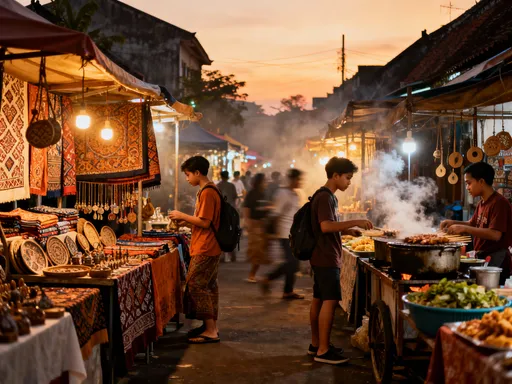
Equally enchanting is Alun-Alun Wedang, a cozy night market named after the warm ginger-based drink commonly served. Held on select nights near the northern alun-alun, it has a gentler, more intimate vibe. Lanterns hang overhead, casting soft light on wooden carts selling handmade *onde-onde*, sticky rice cakes with mung bean filling, and *kue lapis*, colorful layered steamed cakes. Live acoustic music often plays in the background, creating a relaxed ambiance perfect for evening strolls. Parents bring children to sample sweet treats, while couples sip hot chocolate and browse vintage books or hand-bound journals.
These creative markets do more than entertain—they empower local entrepreneurs, especially women and young creatives. Many vendors started as hobbyists, using social media to build followings before securing a stall. For homemakers looking to turn craft skills into income, these events offer low-barrier entry points. There’s no need for a formal storefront or large inventory—just talent, passion, and a willingness to engage. Some participants reinvest earnings into education, healthcare, or home improvements, creating ripple effects within their communities. By supporting these makers, shoppers contribute to a growing ecosystem of grassroots economic resilience.
Visiting these markets is also a lesson in seasonal rhythms. Events often align with harvest times, religious holidays, or university breaks. During Ramadan, for example, Alun-Alun Wedang transforms into an *iftar* bazaar, offering dates, *kolak* (palm fruit stew), and fried snacks for breaking the fast. In December, Christmas-themed stalls appear with hand-decorated ornaments and spiced cookies. These shifts reflect how commerce in Yogyakarta remains attuned to cultural and agricultural cycles, offering visitors a chance to experience the city’s heartbeat in real time.
Shopping for Craft: Where Artisans Shine Beyond Tourist Traps
For travelers seeking deeper connections, venturing beyond central Yogyakarta reveals hidden pockets of artisan excellence. Two standout destinations are Kotagede, renowned for silver craftsmanship, and Kasongan, celebrated for its earthy pottery. These quiet neighborhoods offer immersive experiences far removed from crowded tourist spots, allowing visitors to witness creation in progress and interact directly with master artisans.
Kotagede, once the capital of the Mataram Sultanate, is now a peaceful enclave where silversmithing has been practiced for over 300 years. Narrow lanes lead to family-run workshops where artisans hammer, engrave, and polish silver with astonishing precision. Many shops welcome guests to observe the entire process—from molten metal poured into molds to the final polishing of delicate filigree earrings or ceremonial daggers (*keris*). Some even offer short workshops where visitors can try basic techniques under guidance. These hands-on moments create lasting memories and deepen appreciation for the skill involved.
Purchasing silver in Kotagede supports intergenerational knowledge preservation. Many families teach silversmithing to daughters and sons, ensuring the craft survives. Women often manage sales and design, balancing household duties with creative entrepreneurship. Buying a piece directly from such a workshop means your money flows straight to the maker, not middlemen or export distributors. Items range from simple oxidized silver rings ($10–$15) to elaborate statement necklaces ($50–$100), all stamped with authenticity marks.
Similarly, Kasongan village, located about 12 kilometers south of the city center, is home to a centuries-old pottery tradition. Here, artisans use clay sourced from nearby hills, shaping vessels on foot-powered wheels before firing them in wood-burning kilns. The resulting pieces—jugs, vases, cooking pots, and decorative masks—bear the subtle imperfections that make handmade ceramics so cherished. Visitors can walk through open-air studios, watch potters at work, and even help shape a small bowl. These interactions foster mutual respect and cultural exchange.
Reaching these villages is easy via online ride-hailing apps or local minivans (*angkot*). Most visitors spend half a day exploring, often combining Kotagede with a visit to its historic mosque and cemetery. When visiting workshops, modest dress is appreciated—covering shoulders and knees shows respect for local customs. Always ask before taking photos, and never rush the artisans. A small donation or purchase, even of a simple item, is a meaningful gesture. These quiet exchanges remind us that true luxury lies not in perfection, but in human effort and continuity.
Malls with a Local Twist: When Tradition Meets Modern Comfort
While traditional and pop-up markets dominate the shopping narrative, modern malls in Yogyakarta play an important role in daily life. Places like Malioboro Mall and Plaza Ambarrukmo are not mere copies of Western-style shopping centers—they are hybrid spaces where global brands coexist with Javanese identity. For families, especially those with children or elderly members, these venues offer air-conditioned relief from tropical heat while still providing access to local culture.
Malioboro Mall, attached to the famous pedestrian street, blends convenience with authenticity. On the upper floors, international chains sell clothing and electronics, but the ground level and basement are dedicated to local producers. Here, you’ll find batik boutiques with certified heritage patterns, snack kiosks selling *kripik nangka* (jackfruit chips) and *dodol susu* (milk toffee), and small galleries showcasing student art from nearby institutes. The food court is a highlight—serving regional specialties like *gudeg* (young jackfruit stew), *sate klatak* (spiced goat satay), and *es dawet* (palm sugar drink with coconut jelly).
Plaza Ambarrukmo, located in the eastern part of the city, takes integration further by hosting regular cultural performances. On weekends, the central atrium becomes a stage for *wayang kulit* (shadow puppetry), *gamelan* music ensembles, or traditional Javanese dance. These events draw families who come not only to shop but to pass on cultural appreciation to younger generations. Children watch in awe as puppeteers bring ancient epics to life, while elders nod along to familiar melodies. Such programming reinforces the mall’s role as a community hub, not just a retail space.
These malls also reflect changing consumer habits. Increasingly, locals use digital wallets like GoPay or OVO for purchases, reducing the need to carry cash. Yet, unlike in many cities, technology hasn’t erased human interaction. Cashiers still greet customers warmly; security guards offer directions with a smile. Even escalators seem to move at a gentler pace, as if honoring the city’s slower rhythm. For international visitors, these spaces provide a comfortable bridge between familiarity and discovery—offering Wi-Fi, restrooms, and seating areas while still connecting them to authentic Javanese life.
Smart Shopping Strategies: Timing, Transport, and Bargaining Basics
To make the most of Yogyakarta’s diverse shopping offerings, a few practical strategies can enhance both comfort and confidence. First, consider timing. Mornings are ideal for visiting traditional markets like Beringharjo or neighborhood *pasar pagi* (morning markets), where produce, flowers, and breakfast foods are freshest. Midday heat, especially between 11 a.m. and 3 p.m., can be intense—opt for indoor spaces like malls or workshops during these hours. Evenings belong to pop-up bazaars and food-focused markets, where the cooler air and festive lighting create a magical atmosphere.
Transportation is another key factor. While taxis and online ride-hailing services like Grab and Gojek are widely available and affordable, consider trying a *becak* (pedicab) for short distances in the city center. These three-wheeled cycles offer a slower, more intimate way to see the streets and interact with drivers, who often double as informal tour guides. For trips to outlying villages like Kasongan or Kotagede, pre-booking a car through your hotel or using ride-hailing apps ensures safety and convenience. Always confirm the fare or use the app’s estimated price before starting the journey.
Cash remains essential in most markets, particularly smaller stalls and rural workshops. While digital payments are growing, many artisans prefer physical currency. Carry small bills (Rp 10,000–50,000) for easier transactions. A secure crossbody bag with a zipper helps prevent loss or theft. Also, bring a reusable shopping bag—plastic is limited, and vendors appreciate customers who come prepared. Staying hydrated is crucial; carry a refillable water bottle and take breaks in shaded areas or cafés.
When it comes to bargaining, remember that it’s not about winning a deal but building rapport. Begin with a friendly greeting and genuine interest in the product. Ask questions: “How long did this take to make?” or “What does this pattern mean?” These gestures show respect and often lead to discounts without direct negotiation. If the vendor quotes Rp 100,000, offering Rp 75,000 for a single item or Rp 85,000 for two is reasonable. Accepting the final price gracefully, even if slightly higher than expected, leaves both parties feeling respected. A thank-you and a smile go a long way in Javanese culture.
Beyond Souvenirs: How Your Spending Supports Local Lives
Every purchase made in Yogyakarta’s markets carries the potential for positive impact. When you buy a batik scarf from a weaver in Beringharjo, you’re not just acquiring a keepsake—you’re helping preserve a centuries-old art form. When you sample *kue lapis* from a grandmother selling at Alun-Alun Wedang, you’re supporting a family’s weekend income. These transactions, small as they may seem, contribute to a broader network of dignity, sustainability, and cultural continuity.
Many artisans, particularly women, rely on market sales to fund education for their children, cover medical expenses, or invest in better tools. In Kotagede, some silversmith cooperatives use profits to host youth training programs, ensuring the next generation learns the craft. In Kasongan, pottery collectives have improved kiln efficiency to reduce smoke emissions, showing how traditional practices evolve with environmental awareness. By choosing to buy directly from makers, travelers help sustain these initiatives without intermediaries taking large cuts.
Moreover, mindful shopping fosters mutual understanding. A simple conversation at a stall can break down cultural barriers, replacing stereotypes with real human connection. For women travelers, especially those managing households and values, this form of ethical consumption aligns with deeper principles of care, responsibility, and intergenerational wisdom. It’s shopping not as indulgence, but as intention—a way to honor craftsmanship, support families, and carry home meaning rather than mere objects.
Over time, these choices add up. A single traveler’s decisions may seem small, but multiplied by thousands, they shape demand, influence preservation efforts, and strengthen local economies. In a world where mass production often erases uniqueness, Yogyakarta stands as a reminder that commerce can be kind, personal, and beautiful. It invites us to shift from passive consumers to active participants in cultural stewardship.
Shopping in Yogyakarta isn’t just about what you take home—it’s about the stories you collect along the way. Each market visit becomes a quiet act of cultural exchange, where every coin spent strengthens a tradition. Choose thoughtfully, explore widely, and let the rhythm of the streets guide your journey. Whether you leave with a hand-stitched tablecloth, a jar of spiced coffee, or simply the memory of a shared smile, you become part of a living story—one woven with care, pride, and connection.