You Won’t Believe What This Tropical Town Hides in Plain Sight
Cairns isn’t just about diving the Great Barrier Reef or riding the skyrail through rainforest canopies. I went searching for something deeper—something that pulses beneath the surface of postcards and tourist brochures. What I found was a living, breathing art scene rooted in culture, color, and community. From Aboriginal dreamtime stories painted on urban walls to handwoven baskets dancing with ancestral patterns, Cairns surprised me at every corner. This is not just a gateway to natural wonders—it’s a canvas where tradition and creativity collide. Travelers who look beyond snorkeling tours and scenic flights discover a town where every alleyway, market stall, and performance space tells a story centuries in the making.
Beyond the Postcard: Rediscovering Cairns Through Art
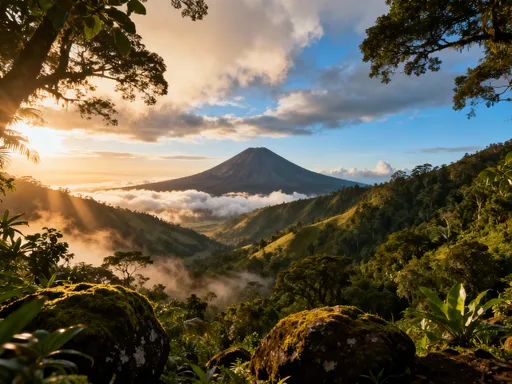
Cairns has long been marketed as a launching point for natural adventures—its turquoise waters, lush hinterlands, and proximity to UNESCO World Heritage sites make it a magnet for outdoor enthusiasts. Yet, beneath this well-worn image lies a cultural heartbeat often overlooked by those rushing to board reef cruises. In recent years, a quiet transformation has taken place: the city has emerged as a dynamic hub for Indigenous and contemporary art, inviting visitors to engage with the region’s soul, not just its scenery. This shift reflects a broader trend in travel, where experiences rooted in authenticity and connection are increasingly valued over passive sightseeing.
Art in Cairns is not confined to galleries or special events—it spills into public life. Murals grace the sides of buildings in the central business district, open-air markets brim with handmade crafts, and community centers host live demonstrations that invite participation. These expressions are not curated for tourists alone; they are part of a living cultural dialogue between the local Aboriginal and Torres Strait Islander peoples and the wider community. For the thoughtful traveler, this offers a rare opportunity: to witness art not as a static exhibit, but as a form of ongoing storytelling, resilience, and identity.
What makes Cairns particularly unique is the deep integration of traditional knowledge into modern artistic practice. Unlike destinations where culture is performative or commodified, here, art is often created with cultural authority and community oversight. Many projects are led or co-designed by Elders, ensuring that sacred symbols, stories, and techniques are shared respectfully and accurately. This authenticity transforms the visitor experience from casual observation to meaningful engagement, fostering a deeper appreciation for the world’s oldest continuous living cultures.
Street Art with a Story: Murals That Speak
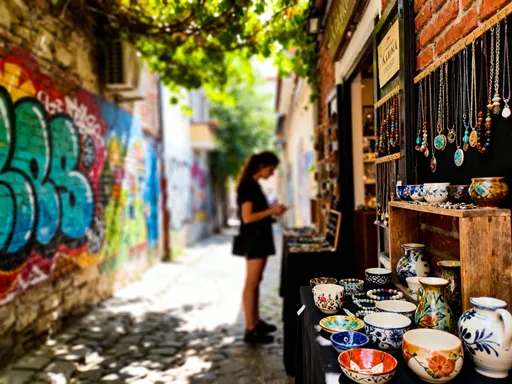
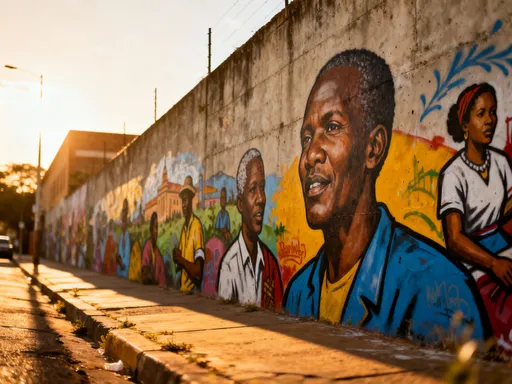
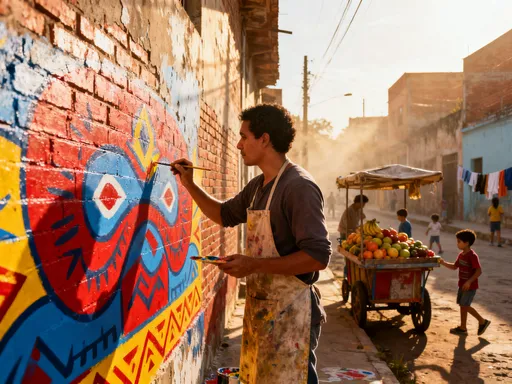
Wandering through Cairns, one quickly realizes that the city’s walls are more than surfaces—they are storytellers. The urban art trail, stretching from the Esplanade to suburbs like Edge Hill and Manoora, features large-scale murals that blend vibrant colors with profound cultural narratives. These are not random graffiti or decorative pieces; each mural carries intention, often rooted in Dreamtime stories, environmental stewardship, or local history. Walking this trail feels less like a casual stroll and more like reading an open-air book written by the community itself.
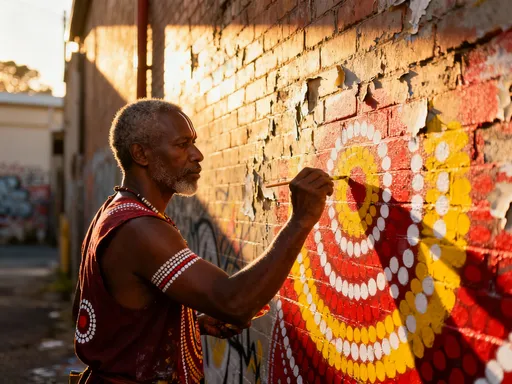
One of the most powerful examples is a mural in Manoora depicting the journey of the Rainbow Serpent, a central figure in many Aboriginal creation stories. Painted in collaboration with local Yidinji artists, the piece uses flowing lines and symbolic motifs to represent the serpent’s path across the land, shaping rivers, mountains, and life itself. The colors—ochre reds, earthy browns, deep blacks, and luminous yellows—are drawn from natural pigments traditionally used in ceremonial art, grounding the modern medium in ancient practice. Passersby often pause, not just to take photos, but to listen to the audio guide available through a QR code, which shares the story in both English and the local dialect.
Artists like Adrian Lam have played a pivotal role in bridging cultural expression and urban space. While not Indigenous himself, Lam has worked closely with Aboriginal communities to ensure his contributions honor rather than appropriate. His collaborations with art centers in Yirrkala and other remote communities have resulted in murals that reflect joint authorship and mutual respect. These partnerships exemplify how public art can become a platform for reconciliation and education, allowing non-Indigenous artists to contribute meaningfully under the guidance of Traditional Custodians.
Importantly, these murals are more than aesthetic enhancements—they serve as acts of cultural preservation. In a world where oral traditions face erosion from modernization, visual storytelling in public spaces ensures that knowledge is not lost. Children grow up seeing their ancestors’ stories on familiar walls; visitors gain insight without intrusion. The murals of Cairns do not shout for attention—they invite quiet reflection, reminding all who see them that this land carries memory, meaning, and message.
Tjukurpa in Color: Aboriginal Art Beyond the Gallery
The term Tjukurpa, used by Central and Western Desert peoples, refers to the Dreaming—the sacred era of creation that continues to shape law, identity, and relationship to country. In Cairns, this concept lives vividly through visual art that transcends the boundaries of traditional gallery spaces. While institutions like the Cairns Regional Gallery offer curated exhibitions, some of the most profound encounters with Aboriginal art happen in cultural centers where creation is witnessed in real time. Here, visitors don’t just view art—they see it being born.
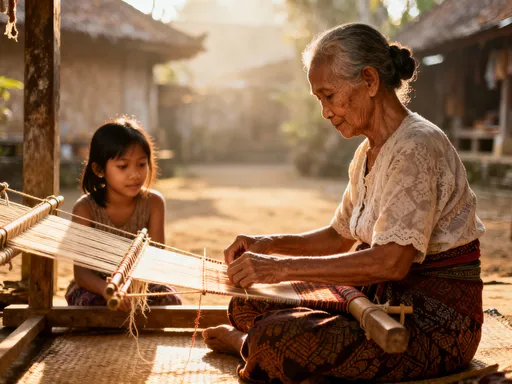
Tjapukai Aboriginal Cultural Park, located just outside the city, is one such place. More than a tourist attraction, it functions as a living archive of cultural expression. Daily performances include traditional dance and fire-making, but the art demonstrations are especially compelling. Elders and artists gather in open-air studios to paint on bark, weave pandanus fibers, and carve didgeridoos, explaining each step with patience and pride. Visitors are encouraged to ask questions, and many artists share personal stories—how their grandmother taught them to identify ochre sources, or how a particular symbol connects to their family’s ancestral land.
At the Tanks Arts Centre, a repurposed WWII fuel depot turned creative hub, the fusion of old and new is even more apparent. Exhibitions often feature contemporary interpretations of traditional dot painting, where acrylics on canvas carry the same spiritual weight as ancient rock art. What stands out is the continuity of technique: the meticulous dotting, the use of cross-hatching (rarrk), and the careful placement of symbols that convey complex narratives to those who understand them. Workshops allow participants to try their hand at these methods, fostering appreciation through practice.
Perhaps most importantly, these spaces emphasize that Aboriginal art is not merely decorative—it is a form of knowledge transmission. A painting may appear abstract to an untrained eye, but to its creator, it maps waterholes, tracks ancestral beings, or records sacred ceremonies. By engaging with art in this context, visitors gain a deeper understanding of its purpose: it is a way of keeping culture alive, a visual language passed from generation to generation. In Cairns, this language is not hidden—it is offered generously, with the hope that respectful listening will lead to lasting respect.
Markets Alive with Craft: Where Art Meets Daily Life
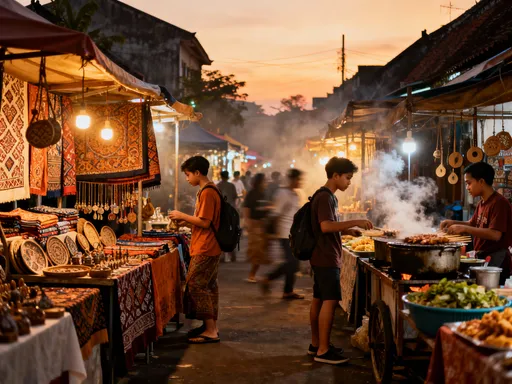
No visit to Cairns is complete without a walk through the Cairns Night Markets or Rusty’s Market, where the pulse of local creativity beats strongest. Unlike commercial souvenir stalls found in many tourist towns, these markets are filled with artisans who create each piece by hand, often using methods passed down through families. The air hums with conversation, the scent of fresh produce mingles with sandalwood incense, and every stall tells a story of craft, care, and cultural pride.
At Rusty’s, a farmer’s market held each Saturday, Indigenous vendors sell woven mats, baskets, and hats made from pandanus and lawyer cane—materials gathered sustainably from the surrounding wetlands. One maker, Margaret from the Yirrganydji community, explained how her grandmother taught her to strip and dry the leaves under the sun, then dye them with natural pigments from berries and bark. “Each pattern,” she said, “is a memory—of a place, a season, or a family event.” Her baskets, tightly coiled and beautifully patterned, are not just functional; they are heirlooms in the making.
The Night Markets, open nightly along Sheridan Street, offer a broader array of crafts, including hand-carved didgeridoos, lino prints, and bark paintings. What sets these apart is the opportunity to speak directly with the artists. Many sit beside their displays, sanding a wooden flute or adding final brushstrokes to a painting. These interactions transform shopping into dialogue. A traveler might learn that the concentric circles in a painting represent a meeting place, or that the spiral on a didgeridoo symbolizes a journey inward. Such knowledge changes the nature of ownership—when you buy a piece, you are not just acquiring an object, but accepting a fragment of someone’s heritage.
For ethical travelers, these markets also raise important questions about authenticity and respect. Some stalls sell mass-produced imports disguised as local art, which undermines genuine creators. To support authentic work, look for vendors who are members of recognized art cooperatives, such as Desart or ANKA, or who can speak knowledgeably about their materials and methods. Many local organizations now offer certification programs to help consumers identify legitimate Indigenous art. By choosing wisely, visitors ensure their purchases contribute to cultural sustainability rather than exploitation.
Dance, Rhythm, and Visual Expression: Performing Arts as Living Art
In Cairns, art is not only seen—it is heard, felt, and danced. Traditional performances are not staged as isolated entertainment but are integral to cultural celebration and community life. Events like the Festival of the Coral Sea and NAIDOC Week bring together Aboriginal and Torres Strait Islander groups from across the region, transforming public spaces into stages of living heritage. Here, visual art extends beyond the canvas into the human body—through body paint, costume, and choreography.
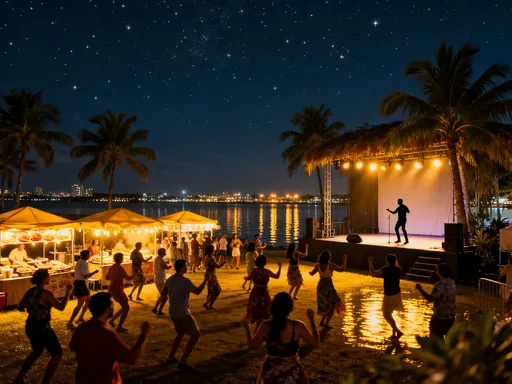
One unforgettable performance took place at the Esplanade Lagoon during the Festival of the Coral Sea. Dancers from the Torres Strait Islands moved in precise formations, their bodies adorned with white clay and natural pigments in geometric patterns that reflected clan identities and island origins. The rhythm of the log drums pulsed through the ground, and the swish of feathered headdresses cut through the humid night air. Each movement told a story—of fishing, of navigation by stars, of ancestral spirits rising from the sea. To watch was to witness history in motion, a dynamic art form that requires physical endurance, cultural knowledge, and deep spiritual connection.
What struck me most was the preparation behind the scenes. Before the performance, Elders conducted a smoking ceremony to cleanse the space and bless the dancers. Younger performers were painted by their elders, each stroke applied with intention. Costumes were not rented or mass-produced—they were handmade, often over weeks, using feathers, shells, and plant fibers collected from ancestral lands. This level of care underscores that these performances are not shows for tourists; they are acts of cultural affirmation, shared with visitors as a gesture of welcome and education.
The fusion of music, movement, and visual design creates a multisensory experience that lingers long after the final drumbeat. Unlike static art, dance is ephemeral—each performance exists only in the moment, making it all the more precious. For travelers, attending such events is not passive viewing; it is an invitation to witness the continuity of culture, to honor the skill and spirit of the performers, and to recognize that art, in its fullest sense, is a way of being in the world.
Art in Unexpected Places: Hidden Studios and Community Hubs
While the city center offers abundant cultural experiences, some of the most meaningful encounters happen off the beaten path. In suburbs like Mooroobool and Edmonton, and in nearby villages such as Yarrabah, small studios and community art centers operate with quiet dedication. These spaces are often run by local collectives, supported by grants and volunteer efforts, and serve as sanctuaries for creative expression, particularly among youth and Elders.
The Fresh AiR program, based in Yarrabah, is one such initiative. Aimed at empowering young Aboriginal and Torres Strait Islander artists, it provides mentorship, materials, and exhibition opportunities. Walking through their gallery space, I saw everything from spray-painted political statements to delicate watercolor landscapes inspired by country. One teenager, Jayden, shared how painting helped him reconnect with his heritage after years of disconnection. “When I paint my grandfather’s stories,” he said, “I feel like I’m bringing them back to life.” Programs like this prove that art is not a luxury—it is a vital tool for healing, identity, and resilience.
The Cairns Regional Gallery plays a crucial role in elevating these voices. Unlike larger metropolitan institutions, it prioritizes regional artists, with a strong focus on First Nations creators. Its curatorial approach emphasizes collaboration—exhibitions are often co-developed with communities, ensuring that narratives are told with authenticity and respect. Temporary installations appear in libraries, hospitals, and even bus shelters, reinforcing the idea that art belongs to everyone, not just those who visit museums.
For travelers seeking deeper connection, open studio events and artist meetups offer rare access to the creative process. These gatherings are not staged for spectacle; they are genuine community moments. Visitors are welcome, but expected to listen more than speak, to observe with humility. A simple “thank you” in the local language, learned from a guidebook or app, can go a long way in showing respect. These hidden spaces remind us that the heart of Cairns’ art scene beats strongest not in polished venues, but in humble rooms where creation happens one brushstroke at a time.
Bringing It Home: How Travelers Can Honor and Continue the Experience
The true measure of a meaningful journey is not what we take in photos, but what we carry in our hearts—and how we act upon our return. In Cairns, the art we encounter is not meant to be consumed and discarded; it is offered as an invitation to deeper understanding. Travelers can honor this gift by engaging ethically with Indigenous art, both during their visit and after they go home.
When purchasing artwork, choose pieces that come with provenance—documentation of the artist, community, and story behind the work. Avoid mass-produced replicas or items sold without clear origin. Consider buying directly from art cooperatives, which ensure fair wages and cultural integrity. Many, such as the Northern Peninsula Area Artists or the Torres Strait Regional Authority’s art program, now offer online stores, allowing continued support from afar.
Displaying Indigenous art at home should be done with care and context. Rather than treating it as mere decoration, share its story with others. Explain the symbols, the artist’s background, and the cultural significance. This transforms a personal collection into a form of advocacy, helping to educate and inspire those around you.
Finally, carry forward the mindset that art is not separate from life—it is life. The patterns in a woven basket, the rhythm of a dance, the silence between brushstrokes—all are expressions of a worldview that values connection, continuity, and respect. By embracing this perspective, travelers do more than remember Cairns; they become stewards of its stories, ensuring that the art we witnessed continues to be seen, heard, and honored.
Cairns reveals itself slowly—not in grand monuments, but in the quiet brushstroke of a mural, the rhythm of a dancer’s footfall, the weave of a pandanus leaf. Its true beauty lies not just in landscape, but in the living art that carries generations of knowledge. When we travel with curiosity and respect, we don’t just see culture—we become part of its continuation.