You Won’t Believe What This Ancient Portuguese Town Hides
Tucked in the sun-drenched plains of Portugal’s Alentejo region, Évora isn’t just a dot on the map—it’s a living museum. I walked its cobbled streets and felt like time slowed down. From Roman ruins to soul-stirring chapels, every corner tells a story. This is culture not as a display, but as a daily rhythm. If you crave authenticity wrapped in beauty, Évora’s scenic heart will steal yours. With its whitewashed buildings glowing under the Iberian sun and centuries-old traditions still woven into everyday life, Évora offers a rare kind of travel experience—one that doesn’t just show you history but allows you to step inside it. Here, the past isn’t preserved behind glass; it breathes in the alleyways, echoes in the market songs, and lingers in the taste of bread baked in wood-fired ovens. For travelers seeking depth over distraction, this UNESCO World Heritage city stands as a quiet invitation to slow down and truly see.
Stepping Into a Time Capsule: The Historic Center of Évora
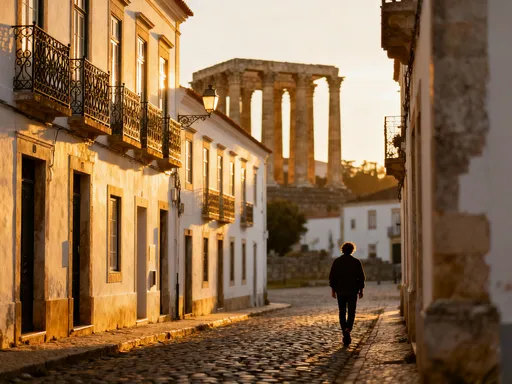
The historic center of Évora is not merely preserved—it lives. Encircled by medieval walls that have stood for over 600 years, the city’s labyrinth of cobbled lanes and sun-bleached alleys feels like a stage where history never left. Walking through the old town is akin to turning the pages of a well-worn book, each chapter marked by architectural layers from different eras. The Romans laid foundations, the Moors added their geometric elegance, and the Christians crowned the skyline with bell towers. Today, this blend unfolds naturally, not as a curated exhibit but as an organic part of daily life. Women hang laundry from wrought-iron balconies, children chase each other past 15th-century doorways, and artisans hammer copper in workshops that have operated for generations.
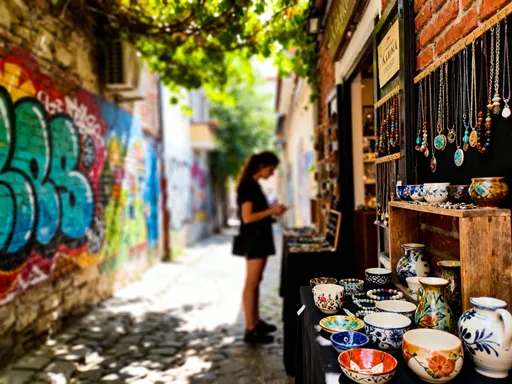
One of the most striking aspects of Évora’s historic core is its architectural continuity. Unlike cities where modern development interrupts the past, here, the old town remains largely untouched by high-rises or chain stores. The buildings are uniformly low, painted in soft ochres, whites, and creams, their exteriors adorned with azulejos—traditional blue ceramic tiles—that depict religious scenes, maritime victories, or floral patterns. These tiles are more than decorative; they reflect a centuries-old craft that continues to be practiced by local artisans. Visitors can find small studios tucked into side streets where potters hand-paint tiles using techniques passed down through families, often with apprentices learning from masters well into their seventies.
The preservation of this architectural heritage is not accidental. Évora was designated a UNESCO World Heritage site in 1986, a recognition that brought both protection and responsibility. Strict regulations govern renovations, ensuring that any restoration work uses traditional materials and methods. This commitment enhances the visitor experience by maintaining authenticity—there are no fake facades or modern intrusions to break the spell. But more importantly, it supports cultural continuity. For residents, living in a protected zone means their homes are not just shelters but heirlooms, part of a collective identity that values patience, craftsmanship, and memory. When travelers walk these streets, they’re not just sightseeing—they’re participating in a living tradition.
Key landmarks like the Porta de Évora, one of the original city gates, stand as silent sentinels to the past. Built during the Moorish occupation and later reinforced by Christian kings, this arched gateway once controlled access to the city. Today, it frames views of the surrounding countryside, a poetic reminder of how Évora has always balanced openness with protection. Other medieval gates, such as the Porta de São Bento, offer similar glimpses into the city’s defensive past. Yet, what makes Évora unique is not just its monuments but the atmosphere—a sense of calm, of time measured not in minutes but in seasons and generations. This is the kind of place where you forget to check your phone because the world around you feels more real than any screen.
The Roman Temple That Defies Time
Rising majestically in the heart of Évora’s main square, the Temple of Diana is one of the best-preserved Roman structures on the Iberian Peninsula. Though its name is something of a misnomer—there’s no definitive proof it was dedicated to the goddess of the hunt—its presence is undeniably powerful. Constructed in the 1st century AD during the reign of Emperor Augustus, the temple was likely part of a larger religious complex honoring imperial cults. Its Corinthian columns, standing nearly 14 meters tall, are made of local granite and capped with intricately carved capitals that still reveal delicate acanthus leaves despite centuries of exposure to wind, rain, and human hands.
What makes the Temple of Diana remarkable is not just its survival but its context. Unlike many ancient ruins tucked into museums or isolated parks, this monument stands at the center of daily life. Locals sip coffee at nearby cafés, children play tag between the columns, and photographers capture golden-hour light dancing across the stone. This integration of antiquity into the modern urban fabric gives Évora a unique rhythm—one where the sacred and the secular, the ancient and the contemporary, coexist without conflict. The temple’s endurance is a testament to Roman engineering, but its continued relevance is a tribute to Portuguese stewardship.
The structure has weathered far more than time. Évora was shaken by the devastating 1755 Lisbon earthquake, one of the most powerful in European history, which flattened much of the capital over 130 kilometers away. Yet, the temple remained standing, its robust foundation and interlocking stone blocks absorbing the tremors that destroyed weaker buildings. Over the centuries, it served various purposes: a fortress during the Moorish period, a warehouse in the Middle Ages, and even a gunpowder storage site in the 17th century. Each transformation added a layer to its story, though none erased its original grandeur.
Archaeological work in the 20th century helped clarify the temple’s layout and original function. Excavations revealed remnants of an altar, inscriptions, and fragments of statues, suggesting it was once part of a larger forum. These findings have been carefully documented and, where possible, displayed in the nearby Museum of Évora. Understanding the temple’s context deepens appreciation for it—not as a standalone relic, but as a piece of a complex urban puzzle. Visitors who take the time to learn about its history often report a stronger emotional connection, sensing the weight of centuries in the cool shadow of its columns. This is not just sightseeing; it’s a form of time travel, made possible by careful preservation and public access.
Where Spirit Meets Stone: The Chapel of Bones
Just a short walk from the Roman temple lies one of Évora’s most contemplative spaces—the Capela dos Ossos, or Chapel of Bones. Built by Franciscan monks in the 16th century, this small chapel is lined with the remains of thousands of individuals, their bones arranged in intricate patterns across the walls and ceiling. At first glance, the sight can be startling, even unsettling. But the intention behind this unusual sanctuary was never to shock—it was to teach. Above the entrance, an inscription reads: “We bones that are here, for yours await.” This memento mori, a reminder of mortality, reflects the Franciscan belief in humility, simplicity, and the transient nature of life.
The bones were gathered from overcrowded cemeteries surrounding the city’s churches. As space ran out, remains were respectfully exhumed and relocated to the chapel, not discarded but repurposed as part of a spiritual lesson. The walls are composed of neatly stacked femurs and skulls, forming geometric designs that are both artistic and solemn. The altar sits beneath a central arch adorned with human rib cages, and even the pillars are partially clad in bone. Despite the macabre material, the atmosphere inside is quiet, reverent, and strangely peaceful. Soft light filters through stained glass, casting a pale glow on the whitewashed ceiling and the skeletal tapestry below.
This chapel is not unique in Portugal—similar ossuaries exist in other towns—but Évora’s is among the most complete and visited. It connects to broader cultural attitudes in traditional Portuguese society, where death is not hidden but acknowledged as a natural part of existence. Religious festivals like All Saints’ Day involve families visiting graves, cleaning tombstones, and lighting candles—acts of remembrance rather than mourning. The Capela dos Ossos fits within this worldview, offering a space for reflection rather than fear. It invites visitors to consider what truly matters: not wealth or status, but kindness, purpose, and legacy.
For modern travelers, the chapel presents an opportunity to engage with a different cultural perspective. Visitor etiquette is simple: speak softly, avoid flash photography, and refrain from sensational comments. Many leave in silence, some with tears, others with a renewed sense of clarity. Children are welcome, as the site is not considered frightening but educational. Guides often explain the historical and spiritual context, helping visitors understand that this is not a horror attraction but a place of meditation. In a world that often avoids talking about death, Évora’s Chapel of Bones offers a rare honesty—one that can be surprisingly comforting.
Cultural Rhythms: Markets, Music, and Local Life
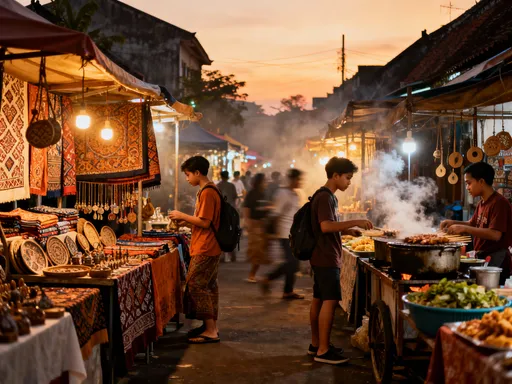
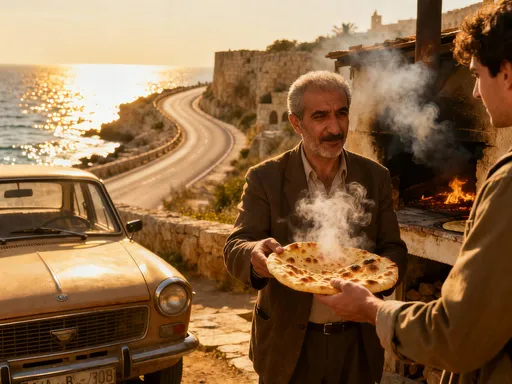
While Évora’s monuments speak of the past, its markets and music pulse with present-day life. Every Thursday and Sunday, the city’s main square transforms into a bustling weekly market, drawing farmers, cheesemakers, bakers, and artisans from across the Alentejo. The air fills with the scent of freshly baked broa de milho, a dense cornbread baked in wood-fired ovens, and the sharp tang of cured cheeses made from sheep’s milk. Stalls overflow with sun-ripened tomatoes, purple artichokes, jars of golden honey, and bundles of wild herbs like rosemary and thyme—ingredients that define the region’s cuisine.
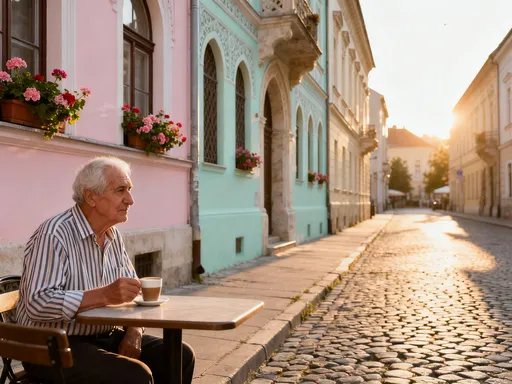
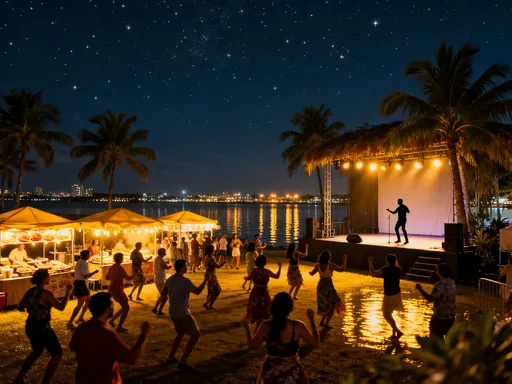
But the market is more than a place to shop; it’s a social hub. Locals greet each other by name, exchange news, and linger over cups of strong coffee served in tiny porcelain cups. Children dart between tables, sampling olives or sneaking bites of pastéis de massa tenra, flaky pastries filled with sweet egg custard. Musicians often appear spontaneously—a guitarist strumming fado tunes, an elderly woman singing in a voice cracked with age but rich with emotion. Fado, Portugal’s soulful traditional music, originated in Lisbon but has deep roots in the Alentejo, where its melancholic melodies echo the vast, lonely plains and the hardships of rural life.
These moments of spontaneous culture are among Évora’s greatest treasures. Unlike staged performances for tourists, these gatherings feel genuine, unscripted, and deeply rooted in community. Travelers who take the time to sit at a café near the market, order a glass of regional wine, and simply observe will gain insight into the Alentejo identity: proud, resilient, and deeply connected to the land. Engaging respectfully means more than watching—it means participating when invited, supporting local vendors, and listening more than speaking.
Public festivals offer another window into local life. The Festa de São João, held every June, features bonfires, traditional dances, and processions through the streets. Families gather to jump over flames for good luck, a custom believed to purify and protect. The Festival de Música de Évora, held in spring, fills historic courtyards with classical and folk performances, often using the city itself as a stage. Attending these events allows visitors to experience culture not as a spectacle but as a shared rhythm. The key is to approach with humility, recognizing that one is a guest in a long-standing tradition.
Beyond the Walls: Scenic Landscapes and Rural Heritage
Évora’s magic extends far beyond its city walls. The surrounding Alentejo region unfolds in a patchwork of golden plains, olive groves, and cork oak forests that stretch to the horizon. This is a landscape shaped by centuries of sustainable agriculture, where farmers still use traditional methods passed down through generations. The sight of a cork harvester carefully stripping bark from a tree without harming it is a quiet lesson in patience and respect for nature. Cork production remains a vital part of the local economy, and Portugal is the world’s largest exporter of cork, much of it sourced from these very forests.
Scenic drives through the countryside reveal a timeless beauty. Winding roads pass by whitewashed farmhouses with red-tiled roofs, stone walls built without mortar, and ancient irrigation systems that date back to Roman times. The Évora Aqueduct, also known as the Aqueduto da Água de Prata, stretches nearly 10 kilometers into the city, a marvel of 16th-century engineering that once brought fresh water from distant springs. Today, it stands as a picturesque backdrop, especially at sunrise when its arches glow in soft pink light.
For those who prefer to explore on foot, short hikes lead to viewpoints overlooking vast estates known as montados—mixed farms where cork oaks provide shade for grazing pigs, sheep, and cattle. These agro-silvopastoral systems are not only productive but ecologically sustainable, supporting biodiversity and preventing soil erosion. Birdwatchers may spot imperial ibises, black storks, or the rare black vulture soaring above the treetops. The silence here is profound, broken only by the wind or the distant call of a shepherd’s dog.
Slow travel is the best way to absorb this region’s essence. Rather than rushing from one landmark to the next, visitors are encouraged to linger—to pause at a roadside stand for a glass of cool grape juice, to accept an invitation to a family’s farm lunch, to watch the stars emerge in a sky unpolluted by city lights. In the Alentejo, time moves differently. There is no need to hurry. The land, like the people, values presence over pace.
Tasting Tradition: Food as Cultural Expression
In Évora, food is not just sustenance—it is memory, identity, and celebration. The cuisine of the Alentejo is hearty, flavorful, and deeply tied to the region’s agricultural rhythms. One of the most iconic dishes is porco preto, or black pork, a delicacy from Iberian pigs that roam free in the cork oak forests, feeding on acorns. This diet gives the meat a rich, marbled texture and a nutty flavor, often served as presunto (cured ham), secretos (grilled cuts), or in stews slow-cooked with wine and herbs.
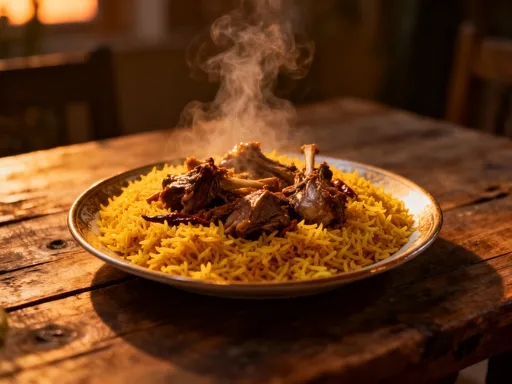
Another staple is migas, a dish that exemplifies the Alentejo philosophy of “waste not, want not.” Made from stale bread soaked in garlic-infused pork fat and mixed with greens or meat, migas was once peasant food but is now celebrated in fine restaurants. It’s often paired with açorda, a garlicky bread soup thickened with poached eggs and coriander. These dishes reflect a culture that values resourcefulness and flavor over extravagance.
Wine completes the meal. The Alentejo is one of Portugal’s most dynamic wine regions, producing bold reds from grape varieties like Aragonez and Trincadeira. Family-run wineries offer tastings in rustic cellars, where visitors can sample vintages while learning about organic farming and natural fermentation. Some estates even host dinners under the stars, pairing local dishes with estate-grown wines in settings that feel both intimate and timeless.
For travelers, the key to authentic dining is to look beyond the tourist menus. Small tascas—family-run taverns—often serve the most genuine versions of regional dishes. Ask locals for recommendations, arrive early to secure a seat, and don’t be afraid to try something unfamiliar. A simple meal in Évora can become a profound cultural experience, connecting you to the land, the seasons, and the people who have nurtured this cuisine for centuries.
Traveling with Purpose: How to Respect and Preserve Évora’s Culture
As Évora grows in popularity, the responsibility of visitors becomes increasingly important. Traveling with purpose means more than seeing sights—it means protecting the very qualities that make the city special. One of the most impactful choices is to hire local guides. These individuals don’t just recite facts; they share stories, family histories, and personal connections to the places they show. Their knowledge transforms a walk through the old town into a deeper journey through time and community.
Equally important is respecting sacred spaces. In the Chapel of Bones, the cathedral, or quiet corners of the market, visitors should avoid loud conversations, refrain from flash photography, and dress modestly. These are not tourist attractions but living parts of local life. Supporting sustainable businesses—such as family-owned guesthouses, organic farms, and artisan workshops—helps ensure that tourism benefits residents rather than displacing them.
Accommodations also play a role. Staying in pousadas—historically restored buildings converted into hotels—supports heritage conservation while offering unique lodging experiences. Many are former convents or palaces, blending modern comfort with architectural authenticity. Choosing such stays contributes directly to preservation efforts and often includes guided tours that educate guests about the building’s history.
Finally, the most powerful act of responsible travel is mindfulness. To walk slowly, listen carefully, and engage with curiosity and kindness. Évora does not need to be loud or fast to be unforgettable. Its power lies in its quiet strength, its deep roots, and its invitation to be present. When travelers honor that invitation, they don’t just visit a place—they become part of its story, helping to protect its soul for generations to come.